Elemental Bands Tungsten and Aluminum Rings: Complete Guide
zupeng huang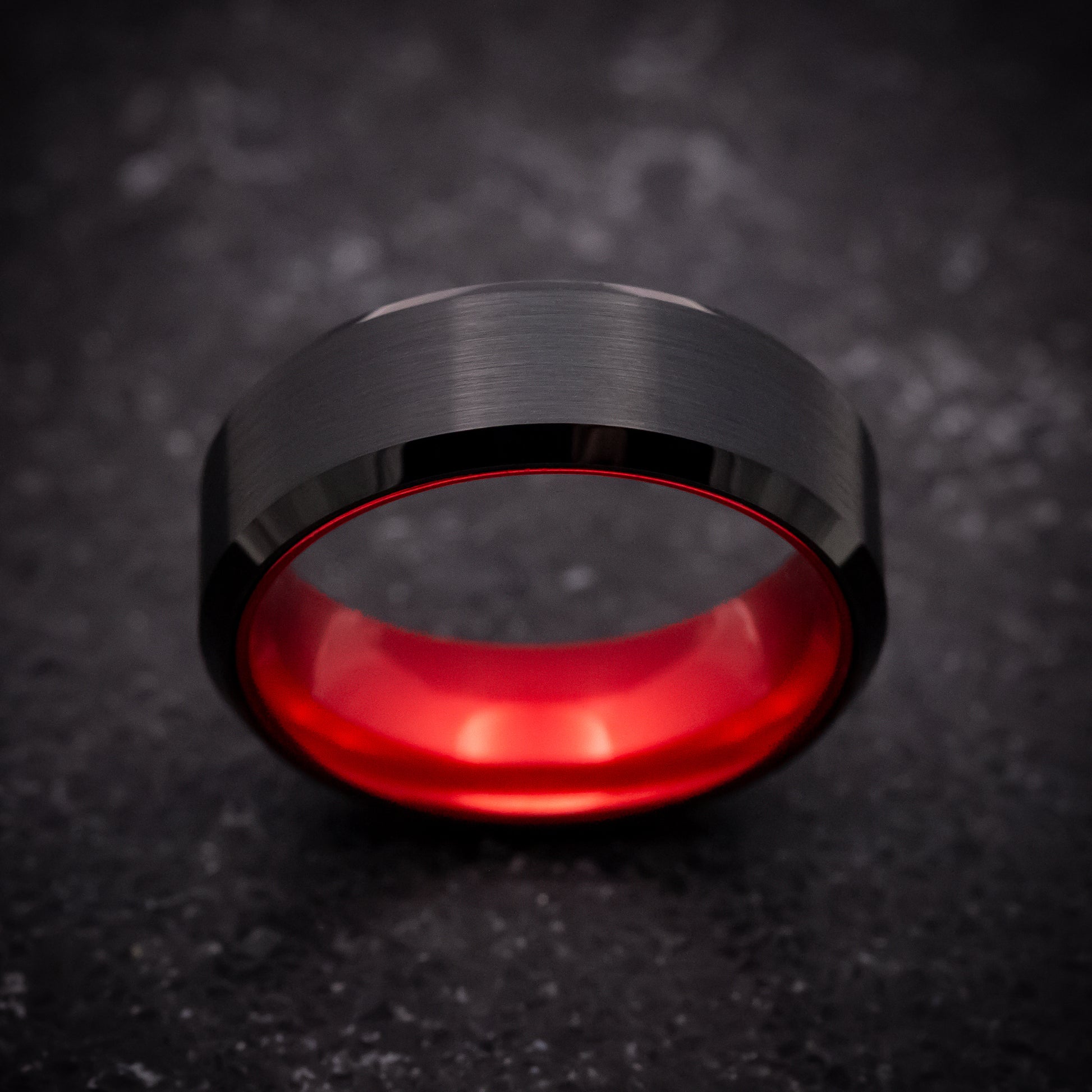
If you are researching an Elemental Bands tungsten and aluminum ring, you are probably looking for something different from a traditional gold or platinum wedding band. These rings combine the substantial feel and high scratch resistance associated with tungsten carbide with the color and visual contrast of an aluminum sleeve.
But how does the combination actually work? Is tungsten really scratch-proof? Does anodized aluminum wear out? Can a tungsten and aluminum ring be resized? And is this type of ring a good choice for everyday wear?
This guide explains the materials, durability, comfort, maintenance, sizing, advantages and limitations of tungsten and aluminum rings so you can decide whether this modern ring style is right for you.
Quick answer: An Elemental Bands tungsten and aluminum ring combines a tungsten-based ring body with an anodized aluminum sleeve. Tungsten contributes hardness, density and scratch resistance, while anodized aluminum provides color, contrast and additional design flexibility.
What Is an Elemental Bands Tungsten and Aluminum Ring?
Elemental Bands is known for alternative-metal wedding bands, including designs that combine a dark tungsten body with a colored aluminum sleeve. This material combination creates a different balance from traditional precious-metal rings: the tungsten provides the structural character of the ring, while the aluminum is primarily a design and color element.
The important distinction is that jewelry described as a “tungsten ring” is generally made from tungsten carbide, rather than a ring machined from pure elemental tungsten.
The Gemological Institute of America (GIA) describes tungsten carbide as an extremely hard, gray composite material that has become popular for men's wedding bands because of its scratch resistance and low-maintenance characteristics. GIA also points out an important limitation: tungsten carbide is extremely hard but brittle, cannot be soldered or sized in the conventional way, and requires specialized methods for engraving. GIA explains tungsten carbide and alternative jewelry metals here.
What is the tungsten part?
Tungsten carbide is an engineered material made by combining tungsten with carbon and a binder. Its high hardness is what gives tungsten rings their excellent resistance to everyday scratching.
This is one reason tungsten has become popular among people who work with their hands or simply want a ring that does not require frequent polishing.
What is the aluminum sleeve?
The aluminum component serves a different purpose. Aluminum is lightweight and can be anodized to produce a durable, colored oxide layer.
In other words, the two materials do not have to perform the same job:
- Tungsten carbide: hardness, density, structural rigidity and scratch resistance.
- Anodized aluminum: color, contrast, visual customization and a distinctive inner or sleeve design.
That division of roles is what makes a tungsten and aluminum ring visually and functionally different from a conventional single-metal wedding band.
Why Combine Tungsten and Aluminum in a Ring?
The appeal of this combination becomes clearer when the properties of the two materials are considered separately.
Tungsten provides hardness and weight
Tungsten carbide is one of the hardest materials commonly used in men's jewelry. Its high hardness means it is much more resistant to everyday scratching than softer jewelry metals.
GIA describes tungsten as an affordable, hard and dense ring material and notes that its substantial weight is one of the characteristics that attracts buyers who prefer a more robust feel. See GIA's guide to choosing ring materials for everyday wear.
The result is a ring that feels noticeably substantial on the finger. If you enjoy the weight of a mechanical watch or a solid piece of equipment, that density can be part of the appeal.
Aluminum provides color and contrast
Aluminum has a very different set of characteristics. It is lightweight and particularly well suited to anodizing.
According to the Aluminum Anodizers Council, anodizing is an electrochemical process that converts the aluminum surface into an anodic oxide finish. The resulting oxide is integrated with the aluminum substrate rather than being a conventional paint layer.
This makes anodized aluminum especially useful when a ring designer wants to introduce colors that would be difficult to achieve with the natural color of tungsten carbide alone.
The result: durability plus personalization
The simplest way to understand the combination is:
Tungsten = performance and substance.
Anodized aluminum = color and visual personalization.
That makes this material combination particularly interesting for buyers who want something more distinctive than a plain gray or silver-colored tungsten band.
Tungsten vs. Aluminum: Which Material Is More Durable?
Tungsten and aluminum should not be treated as equally durable materials. They perform different functions in a ring.
| Property | Tungsten Carbide | Aluminum |
|---|---|---|
| Hardness | Very high | Much lower |
| Scratch resistance | Excellent | Moderate |
| Density | High | Low |
| Weight | Heavy | Lightweight |
| Color customization | More limited | Excellent through anodizing |
| Impact behavior | Hard but relatively brittle | More ductile |
| Primary role in this ring design | Structural body | Color and design element |
The important takeaway is that the aluminum sleeve should not be expected to have the same scratch resistance as the tungsten body.
That is not necessarily a flaw. It is simply a consequence of using two materials with different physical properties to achieve a specific design.
What Is Anodized Aluminum?
Anodizing is sometimes misunderstood as a type of paint or plating. It is neither.
The Aluminum Anodizers Council explains that anodizing creates an aluminum oxide structure from the underlying aluminum itself. The resulting finish can be colored and sealed, and because the oxide is integral to the substrate, it does not behave like a conventional coating that simply peels away. Read the Aluminum Anodizers Council's technical explanation of anodizing.
Why is anodized aluminum useful for rings?
- It allows a wider range of colors.
- It creates a distinctive contrast against dark tungsten.
- The finish is integrated with the aluminum surface rather than simply painted on.
- It can provide a decorative and corrosion-resistant surface.
Does anodized aluminum scratch or fade?
Anodized aluminum is durable, but it is not scratch-proof.
The Aluminum Anodizers Council notes that the service life of an anodized finish depends on factors including coating thickness, density and sealing quality. This is an important distinction for jewelry buyers: anodizing improves the performance and appearance of aluminum, but it does not transform aluminum into a material with the hardness of tungsten carbide.
Therefore, if the aluminum surface eventually develops visible marks from repeated friction, that should not be interpreted as a failure of the tungsten portion of the ring.
How Durable Are Tungsten and Aluminum Rings?
Scratch resistance
The tungsten portion of the ring is the main reason this style has such strong scratch resistance.
GIA describes tungsten carbide as highly scratch resistant and explains that its extreme hardness makes it attractive for everyday wedding bands. GIA's alternative-metals guide provides additional technical context.
However, “scratch-resistant” is more accurate than “scratch-proof.” No jewelry material should be described as completely immune to damage under every possible condition.
Impact resistance
This is where tungsten requires a more nuanced explanation.
High hardness does not automatically mean high toughness. Tungsten carbide is extremely resistant to scratching, but its brittleness means that severe impact can cause cracking or fracture rather than bending.
GIA specifically identifies brittleness and lack of malleability as limitations of tungsten carbide. Its guidance also notes that tungsten rings cannot be conventionally sized. GIA's tungsten carbide guidance.
Important: Tungsten should be described as highly scratch-resistant, not indestructible. A severe impact can fracture tungsten carbide even though ordinary daily abrasion may leave the surface looking almost unchanged.
Are Tungsten and Aluminum Rings Comfortable for Everyday Wear?
Comfort depends on more than hardness. Ring width, profile, inner shape, size and weight all affect how a band feels during everyday use.
Weight
Tungsten is considerably denser than many alternative ring materials. GIA specifically notes that its substantial weight is part of its appeal, but that this weight may require an adjustment period for people who prefer lightweight jewelry. GIA's everyday-wear ring material guide.
If you have only worn titanium or lightweight stainless-steel jewelry before, a tungsten band may initially feel surprisingly heavy.
Ring width matters
A wider band has a stronger visual presence and generally feels more substantial. A narrower band can be easier to wear if you are not accustomed to wide rings.
For example, some Elemental Bands tungsten and aluminum designs are offered in an 8mm width. When comparing rings, pay attention not only to the material but also to the width and inner profile.
Comfort-fit profiles
If possible, look for a rounded or comfort-fit interior when selecting a wider tungsten band. The interior geometry can have as much influence on everyday comfort as the material itself.
Are Elemental Bands Tungsten and Aluminum Rings Good Wedding Bands?
For the right buyer, yes.
A tungsten and aluminum wedding band is particularly well suited to someone who wants a modern, industrial aesthetic combined with high scratch resistance and a substantial feel.
They may be a good choice if you want:
- A heavy and substantial ring.
- Excellent resistance to everyday scratching.
- A modern or industrial aesthetic.
- Bright or contrasting color accents.
- A low-maintenance alternative to softer precious metals.
- A wedding band that looks distinctly different from traditional gold.
They may not be ideal if you want:
- A ring that can be resized easily.
- A very lightweight band.
- A traditional precious-metal appearance.
- A metal that develops a natural patina over time.
- A ring designed to deform rather than fracture under extreme impact.
The best material is therefore not necessarily the hardest material. It is the material whose properties match the way you intend to wear the ring.
Elemental Bands Aluminum Sleeve Colors: Which One Should You Choose?
One of the strongest visual advantages of combining tungsten with anodized aluminum is color.
Elemental Bands offers tungsten designs with different colored aluminum sleeves, including blue, red, green and orange variations.
| Color | Visual Character | Good Match For |
|---|---|---|
| Blue | Cool, clean and modern | Everyday contemporary style |
| Red | Bold and high contrast | Statement-making designs |
| Green | Distinctive and outdoors-inspired | Nature and adventure aesthetics |
| Orange | Energetic and sporty | Casual and unconventional style |
Color is ultimately a personal choice. The advantage of anodized aluminum is that you do not have to settle for the natural gray appearance normally associated with tungsten carbide.
Tungsten and Aluminum Ring vs. Gold, Titanium and Stainless Steel
Comparing materials side by side makes the trade-offs easier to understand.
| Feature | Tungsten + Aluminum | Gold | Titanium | Stainless Steel |
|---|---|---|---|---|
| Weight | Heavy | Medium to heavy | Very light | Medium |
| Scratch resistance | Excellent on tungsten body | Lower | Good | Good |
| Resizing | Generally not possible | Usually possible | Difficult | Usually difficult |
| Color customization | Excellent | Excellent | Moderate | Moderate |
| Impact behavior | Hard but brittle | Ductile | More ductile | More ductile |
| Traditional luxury appeal | Low to moderate | Very high | Low | Low |
| Modern / industrial aesthetic | Excellent | Moderate | Excellent | Excellent |
There is no universally “best” ring material. Gold prioritizes tradition and workability. Titanium prioritizes low weight. Tungsten prioritizes hardness and density. A tungsten and aluminum design adds color and visual individuality to that equation.
If you are more interested in gemstone-focused alternatives rather than industrial-style bands, you can also browse BOCOS Jewelry's ring collection to compare different gemstone and metal combinations.
Can Tungsten and Aluminum Rings Be Resized?
Usually, no.
This is one of the most important things to understand before buying a tungsten ring.
Unlike gold, tungsten carbide cannot normally be stretched, cut and soldered into a new size. GIA specifically lists sizing as one of the limitations of tungsten carbide jewelry. See GIA's explanation of tungsten ring sizing.
What should you do before ordering?
- Measure your finger professionally when possible.
- Consider whether your finger size changes significantly with temperature or time of day.
- Check the seller's return and exchange policy.
- Do not assume a local jeweler can resize tungsten the same way they resize gold.
This is especially important for wedding bands because they are often intended for decades of wear.
How to Clean and Maintain a Tungsten and Aluminum Ring
Tungsten rings are generally low maintenance, but a ring containing aluminum should still be cleaned thoughtfully.
For routine cleaning, use:
- Warm water.
- A small amount of mild soap.
- A soft or extra-soft brush.
- A clean microfiber cloth.
IGI recommends gentle cleaning methods for jewelry and specifically advises using soft or extra-soft bristles rather than harder brushes that can cause scratching. Read IGI's jewelry-cleaning guide.
A simple cleaning routine
- Rinse the ring with lukewarm water.
- Use a small amount of mild soap.
- Gently brush areas where skin oils and dirt accumulate.
- Rinse thoroughly.
- Dry with a clean microfiber cloth.
There is no need to aggressively polish a tungsten surface simply because it has been worn. In fact, unnecessary abrasive polishing can create problems for softer decorative components.
What should you avoid?
- Harsh chemical cleaners.
- Highly abrasive cleaning materials.
- Hard brushes.
- Scraping the aluminum sleeve with metal tools.
- Storing the ring loose against softer jewelry.
IGI also recommends keeping jewelry separated during storage because harder materials and gemstones can damage softer jewelry surfaces through contact. See IGI's jewelry storage recommendations.
Are Tungsten and Aluminum Rings Safe?
For ordinary jewelry wear, tungsten and aluminum are widely used materials. However, “safe” should not be confused with “protective.” A metal ring should never be treated as personal protective equipment.
Can tungsten rings break?
Yes. Tungsten carbide is highly scratch-resistant but can fracture under sufficiently severe impact. This is a material-property trade-off rather than a contradiction.
Can aluminum scratch?
Yes. Aluminum is substantially softer than tungsten carbide. An anodized surface improves durability, but the decorative aluminum component should still be treated as the more wear-sensitive part of the combination.
Can I wear a tungsten ring while working?
This depends on the occupation and workplace rules. Anyone working around electrical systems, heavy machinery, rotating equipment or crushing hazards should follow the applicable occupational safety requirements and remove jewelry when required.
A wedding band is an accessory, not safety equipment.
Pros and Cons of Tungsten and Aluminum Rings
Advantages
- Excellent scratch resistance from the tungsten carbide body.
- Heavy, substantial feel.
- Modern industrial appearance.
- Strong visual contrast between dark tungsten and colored aluminum.
- Wide range of anodized color possibilities.
- Low routine maintenance.
- Distinctive alternative to traditional precious-metal wedding bands.
Disadvantages
- Tungsten rings generally cannot be resized.
- Tungsten carbide can fracture under severe impact.
- The aluminum component can show wear sooner than the tungsten body.
- The ring may feel too heavy for people accustomed to titanium.
- The style is less traditional than gold or platinum.
- Different manufacturers may use different tungsten compositions, binders and finishing processes, so material quality should not be assumed from the word “tungsten” alone.
Who Should Buy a Tungsten and Aluminum Ring?
A tungsten and aluminum ring makes the most sense when you want a combination of durability, weight, color and modern design.
It is particularly attractive for buyers who like industrial-inspired jewelry but still want a wedding band that feels distinctive and personal.
If, on the other hand, your priorities are easy resizing, very low weight or traditional precious-metal craftsmanship, gold, platinum or titanium may be a better match.
For buyers who want something more gemstone-focused, BOCOS also offers lab-grown gemstone and alternative-metal rings, providing a different approach to everyday ring design.
Elemental Bands Tungsten and Aluminum Ring Buying Checklist
Before purchasing any tungsten and aluminum ring, check the following:
- Confirm the material. Make sure you know whether the ring uses tungsten carbide and what other materials are incorporated.
- Understand the aluminum finish. If the sleeve is anodized, understand that anodized aluminum is durable but not equivalent to tungsten in hardness.
- Check the width. Wider rings can feel substantially heavier and more noticeable.
- Measure your size carefully. Tungsten generally cannot be resized like gold.
- Read the return policy. Accurate sizing matters more when the ring cannot be resized.
- Check the warranty. A warranty can provide additional protection against manufacturing defects.
- Understand wear patterns. The tungsten body and aluminum sleeve may age differently.
- Consider your occupation. Remove metal rings whenever workplace safety rules require it.
Frequently Asked Questions
What is an Elemental Bands tungsten and aluminum ring?
An Elemental Bands tungsten and aluminum ring combines a tungsten-based ring body with an aluminum sleeve, typically using anodized aluminum for color and visual contrast. The tungsten provides hardness and density, while the aluminum contributes lightweight color customization.
Is tungsten better than aluminum for rings?
Neither material is universally better. Tungsten carbide is much harder and more scratch-resistant, while aluminum is much lighter and easier to color through anodizing. In a combined ring, each material serves a different purpose.
Why use an aluminum sleeve in a tungsten ring?
The aluminum sleeve allows designers to introduce color and contrast that are difficult to achieve with the natural gray appearance of tungsten carbide.
Is anodized aluminum durable?
Yes, anodizing improves the surface durability and corrosion resistance of aluminum. However, its wear resistance should not be compared directly with tungsten carbide. The performance of an anodized finish also depends on factors such as coating characteristics and sealing.
Can tungsten rings scratch?
Tungsten carbide is highly scratch-resistant, which is one of its primary advantages as a ring material. However, it is more accurate to call it scratch-resistant rather than completely scratch-proof.
Can tungsten rings break?
Yes. Tungsten carbide is extremely hard but relatively brittle. Severe impact can cause cracking or fracture instead of bending.
Can tungsten rings be resized?
Generally, no. Tungsten carbide cannot normally be resized using the same methods used for gold or other malleable jewelry metals.
Are tungsten rings heavy?
Yes. Tungsten is a dense material, so tungsten carbide rings generally feel substantially heavier than titanium rings. Some buyers love this weight, while others prefer a lighter band.
Are tungsten and aluminum rings good wedding bands?
They can be excellent wedding bands for buyers who prioritize scratch resistance, substantial weight, modern aesthetics and color customization. They are less suitable for buyers who need frequent resizing or prefer lightweight traditional metals.
How do you clean a tungsten and aluminum ring?
Use lukewarm water, mild soap and a soft brush or microfiber cloth. Avoid aggressive abrasives and harsh chemicals, particularly around decorative or colored aluminum components.
Can the aluminum color wear over time?
It can show wear with sufficient friction or abrasion. Anodizing creates an integrated aluminum oxide surface, but it does not give aluminum the same hardness as tungsten carbide.
What size tungsten ring should I buy?
Because tungsten rings generally cannot be resized, accurate sizing is particularly important. If possible, have your finger professionally measured and verify the seller's return or exchange policy before ordering.
Final Verdict: Are Tungsten and Aluminum Rings Worth It?
If your priorities are durability, substantial weight, modern styling and distinctive color, a tungsten and aluminum ring is an interesting alternative to a traditional wedding band.
The key is understanding what each material contributes. Tungsten carbide provides the hardness, density and scratch resistance that make tungsten rings popular. Anodized aluminum provides color, contrast and design flexibility.
The trade-offs are equally important: tungsten is not indestructible, it generally cannot be resized, and the aluminum component may show wear sooner than the tungsten body.
That is ultimately what makes this material combination worth considering. It is not about finding one “perfect” metal. It is about choosing a material system whose strengths and limitations match the way you actually live.
Looking for a different kind of ring?
If tungsten is not the right material for you, explore BOCOS Jewelry's ring collection for lab-grown gemstone, moissanite and alternative-metal designs.
You can also compare real-world durability considerations in our guide: Are Lab Made Gemstone Rings Durable Enough for Everyday Wear?
Sources & Further Reading
- Gemological Institute of America (GIA): Men's Jewelry & Alternative Metals
- GIA: Best Ring Material for Everyday Wear
- International Gemological Institute (IGI): Demystifying Durability
- IGI: Home Jewelry Cleaning
- Aluminum Anodizers Council: What Is Anodizing?
- Aluminum Anodizers Council: Anodized Aluminum FAQ