How to Clean Gold Jewelry Safely (What Actually Works & What to Avoid)
huangzupengGold jewelry doesn’t need harsh chemicals or expensive tools to stay beautiful — but using the wrong cleaning method can permanently damage it.
In this guide, you’ll learn how to clean gold jewelry safely at home, which methods actually work, what to avoid completely, and how cleaning should change depending on whether your piece is solid gold, gold-plated, or white gold with rhodium plating.

What Type of Gold Jewelry Are You Cleaning?
Before you clean anything, identify what kind of gold jewelry you have. This single step prevents most damage.
Solid Gold (10K, 14K, 18K, 24K)
Solid gold jewelry is made primarily of gold mixed with small amounts of alloy metals for strength. Higher karat gold is softer and requires gentler handling.
Gold-Plated & Gold Vermeil Jewelry
These pieces have a thin layer of gold over another metal. Aggressive scrubbing, soaking, or abrasion can wear the gold layer away permanently.
White Gold Jewelry (Rhodium-Plated)
Most white gold jewelry is coated with rhodium plating, which gives it a bright white finish.
Over time, white gold may appear slightly yellow — not because it’s dirty, but because the rhodium layer has worn down, revealing the natural color of the gold alloy beneath. Cleaning can restore shine, but only re-plating will restore the original white color.
Because of this, white gold requires extra-gentle cleaning and absolutely no abrasive methods.
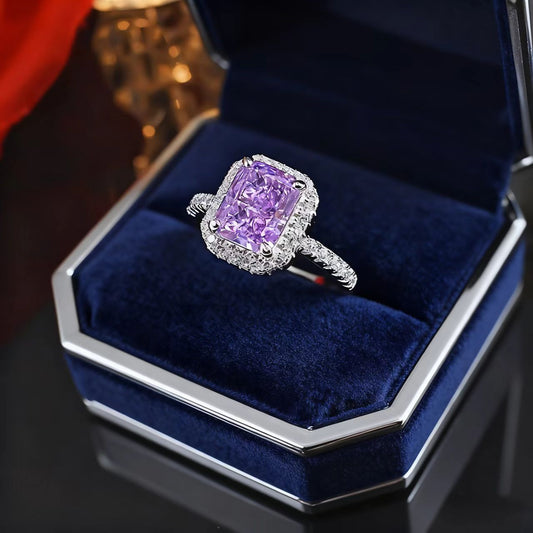
Gold Jewelry With Gemstones
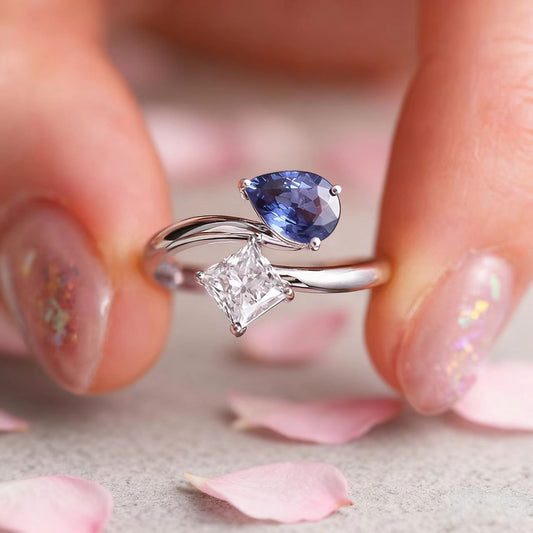
Gemstones change everything. While some stones are extremely durable, others are porous or treated and should never be soaked.
Using the wrong cleaning method is the #1 reason gold jewelry becomes scratched, faded, or discolored over time.
The Safest Way to Clean Gold Jewelry at Home (Recommended for Most People)
This method is widely recommended by jewelers and is safe for solid gold, white gold, and most gemstone jewelry.
What You’ll Need
- Warm water (not hot)
- Mild dish soap (for example, blue Dawn dish soap, a common choice in the jewelry industry)
- A soft toothbrush
- A clean, lint-free cloth
Avoid dish soaps with degreasers, citrus additives, or moisturizers, as they may leave residue.
Step-by-Step Instructions
- Fill a small bowl with warm water and add a few drops of mild dish soap.
- Place your gold jewelry in the solution and let it soak for 10–15 minutes.
- Gently brush the piece with a soft toothbrush, focusing on crevices and settings.
- Rinse thoroughly with clean water.
- Dry immediately with a soft cloth, then allow the piece to air dry fully.
Important Drying Note
If you plan to store your jewelry after cleaning, make sure it is completely dry. Residual moisture trapped in crevices or settings can accelerate oxidation in gold alloys and lead to discoloration over time.
For best results, you may use a hair dryer on the cool-air setting to gently blow out remaining moisture, especially around prongs and stone settings.
This method is especially suitable for everyday gold rings, necklaces, and earrings worn close to the skin.
Can You Use Baking Soda, Vinegar, or Alcohol on Gold Jewelry?
Household cleaning tips are common online — but not all are safe.
Sometimes OK (With Conditions)
Baking Soda
• Solid yellow gold only
• No gemstones
• Apply gently as a paste — never scrub
Use With Caution
White Vinegar
• Short exposure only
• Never for plated or white gold
• Acidity may weaken alloys over time
Isopropyl Alcohol
• Safe for quick surface wiping
• Do not soak jewelry
Never Use on Gold Jewelry
- Toothpaste (highly abrasive)
- Bleach or chlorine
- Household cleaners (Windex, ammonia-heavy products)
- Ultrasonic cleaners for plated, white gold, or gemstone pieces
If a method relies on abrasion or strong chemicals, it’s not gold-safe.
How to Clean Gold Jewelry With Gemstones (Diamonds, Moissanite & More)
Gemstones require extra care — but not all stones are fragile.
Safe for Soap & Water
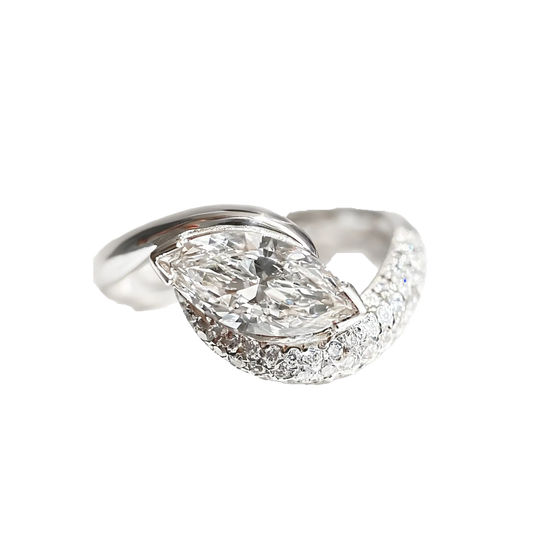
- Diamonds
- Moissanite
- Sapphires and rubies (with secure settings)
Moissanite is extremely durable and resistant to scratching. However, the gold setting still requires gentle handling, especially around prongs.
Avoid Soaking or Scrubbing If Your Jewelry Includes:
- Pearls
- Opals
- Turquoise
- Emeralds
- Any porous or treated stones
When in doubt, clean only the metal surface lightly or consult a professional jeweler.
How Often Should You Clean Gold Jewelry?
- Daily-wear rings & bracelets: every 1–2 weeks
- Occasional jewelry: once a month
- Stored pieces: clean before wearing
Over-cleaning can cause unnecessary wear, particularly for plated or white gold jewelry.
5 Common Mistakes That Ruin Gold Jewelry
- Scrubbing too hard with stiff brushes
- Soaking gold-plated or white gold jewelry
- Using toothpaste or abrasive powders
- Cleaning jewelry directly over the sink
- Storing jewelry before it is fully dry
When Should You Take Gold Jewelry to a Professional Jeweler?
Home cleaning is ideal for routine maintenance, but professional care is recommended if you notice:
- Loose or shifting stones
- Deep scratches or dents
- Yellowing of white gold due to worn rhodium plating
- Heavy buildup that won’t come off gently
A jeweler can safely polish, inspect settings, and re-plate white gold if needed.
Frequently Asked Questions
Does gold tarnish?
Pure gold does not tarnish, but most gold jewelry contains alloys that can oxidize over time.
Why does white gold turn yellow?
White gold turns yellow when its rhodium plating wears off — not because it’s dirty.
Is baking soda safe for gold jewelry?
Only for solid gold and only when used very gently.
Can I clean gold jewelry with vinegar?
Vinegar can clean solid gold briefly, but it is not recommended for regular use.
Final Thoughts
Cleaning gold jewelry doesn’t require harsh chemicals — just the right method, gentle handling, and proper drying.
By choosing safe cleaners, avoiding abrasion, and ensuring your jewelry is completely dry before storage, you can keep your gold pieces bright and beautiful for years to come.