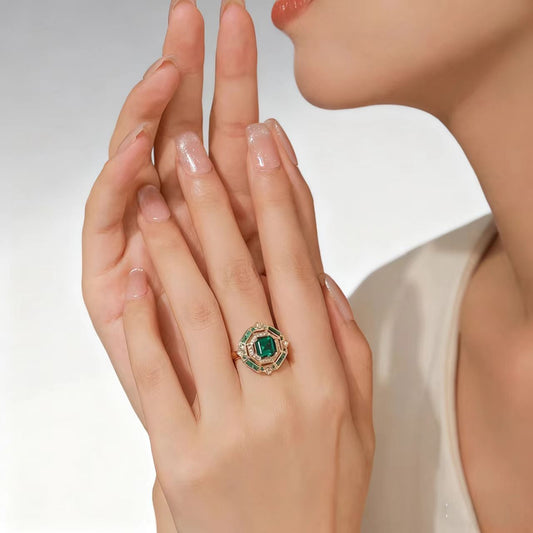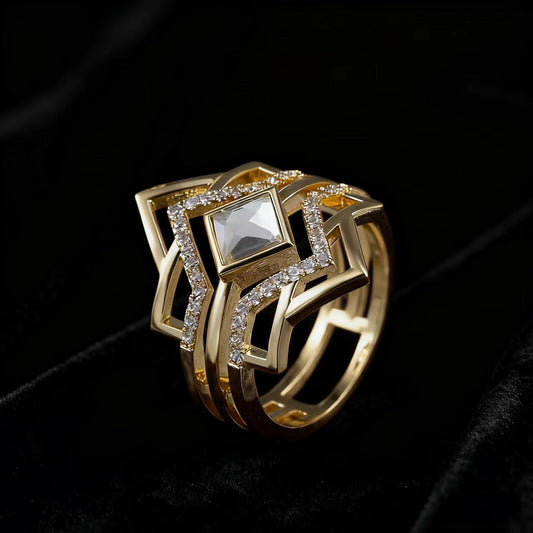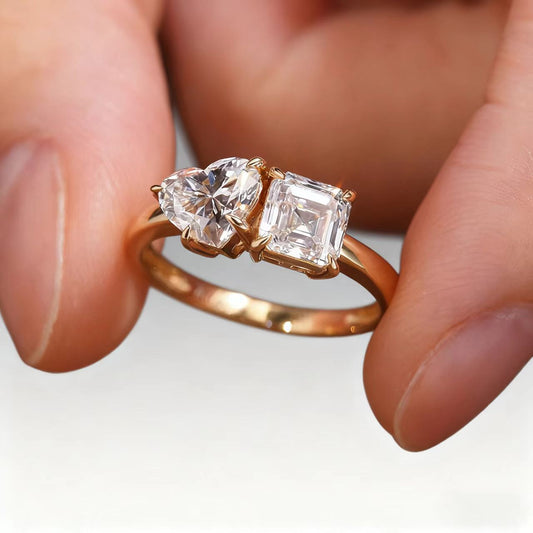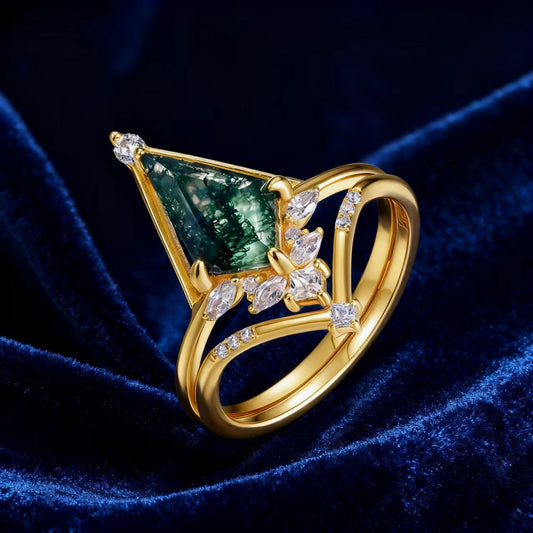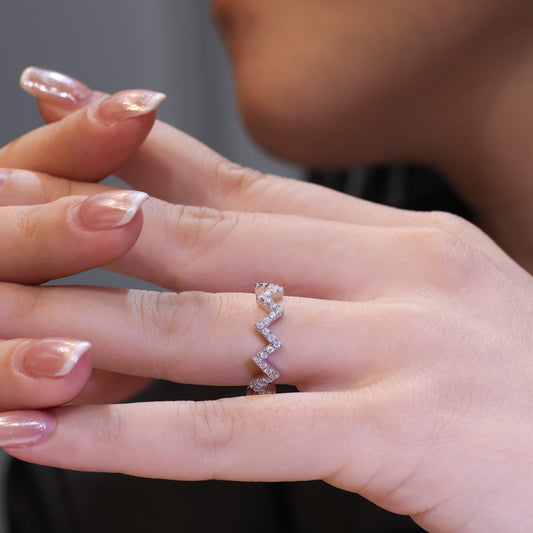
Are Lab Made Gemstone Rings Durable Enough for Everyday Wear?
huangzupengLab made gemstone rings have rapidly gained popularity in the gemstone world, yet many buyers still wonder whether lab created stones truly offer the durability and long-term gemstone quality required for everyday wear.
This concern is reasonable. Rings are exposed to more physical stress than any other jewelry category—daily friction, accidental impact, moisture, and temperature changes all test a gemstone’s limits. When consumers encounter lab made gemstones, the most common hesitation is not about appearance, but about performance.
Are lab made gemstone rings genuinely strong enough for daily life, or are they better reserved for occasional wear?
This guide answers that question with a clear, technical, and honest breakdown—covering gemstone quality, gemstone cut, metal settings, and real-world wear scenarios—so you can make an informed decision without marketing noise.
What Are Lab Made Gemstone Rings and How Do Lab Created Gems Compare to Natural Stones?
Before assessing durability, it is essential to clarify what lab made gemstone rings actually are.
Lab created gems—also referred to as lab created stones or created gemstones—are grown in controlled laboratory environments that replicate the natural conditions under which gemstones form in the earth. The result is a crystal with the same chemical composition, physical structure, and optical properties as its mined counterpart.
This means lab created gems are not:
- Glass
- Plastic
- Synthetic look-alikes
They are real gemstones—simply created without mining.
From a scientific perspective, there is no structural disadvantage in lab created stones when compared to natural gemstones. In many cases, lab created gems actually demonstrate greater internal consistency, because they are formed without the fractures and inclusions caused by geological stress over millions of years.
For durability discussions, this distinction matters.

Gemstone Quality Explained: Are Lab Created Stones Strong Enough for Daily Use?
When evaluating whether lab made gemstone rings can withstand everyday wear, gemstone quality is far more important than origin.
Durability is determined by three technical factors:
- Hardness (Mohs Scale)
- Toughness (resistance to chipping or cracking)
- Stability (resistance to heat, light, and chemicals)
Most popular lab created gems used in rings—such as moissanite, sapphire, and spinel—score exceptionally well across all three categories.
For example:
- Moissanite: Mohs 9.25
- Lab sapphire: Mohs 9
- Lab spinel: Mohs 8
These scores place lab created gems well above everyday wear requirements. In practical terms, this means lab made gemstone rings resist scratching from daily activities like typing, commuting, or light household tasks.
The misconception that lab created stones are fragile usually comes from confusing them with simulants—not from any real material weakness.
Why Gemstone Cut Matters for the Durability of Lab Made Gemstone Rings
While gemstone material defines hardness, gemstone cut determines how well a stone survives real-world impact.
This applies equally to natural and lab created stones.
Poorly cut gemstones—regardless of origin—are more likely to chip because:
- Facet junctions are too thin
- Edges are exposed at stress points
- Symmetry imbalance concentrates impact force
High-quality lab made gemstone rings typically use precision gemstone cuts, optimized through computer modeling. This allows cutters to:
- Reinforce vulnerable edges
- Balance brilliance with structural integrity
- Reduce unnecessary sharp facet angles
In other words, a well-cut lab created gem often performs better than a poorly cut natural stone.
Durability is not just about what a gemstone is made of—but how intelligently it is shaped.
Gold and Gems: Does the Setting Affect the Lifespan of Lab Made Gemstone Rings?
A gemstone never functions alone. In lab made gemstone rings, the setting plays an equally critical role in long-term durability.
This is where the relationship between gold and gems, silver, or other metals becomes important.
Key setting factors include:
- Prong thickness and placement
- Bezel vs prong design
- Metal hardness and elasticity
For everyday wear, lab created gems perform best when paired with:
- Secure prong geometry (not overly thin)
- Designs that protect girdle edges
- Metals that balance strength and flexibility
Both gold and silver settings can work well, provided the craftsmanship is sound. The myth that only solid gold can safely hold lab created stones is outdated. Properly engineered sterling silver and gold-plated silver settings are widely used in modern lab gemstone rings without compromising security.
Durability failures almost always stem from poor construction, not gemstone origin.

Colored Gem Wedding Rings vs Everyday Rings: Are Created Gemstones Practical Long-Term?
One of the fastest-growing segments in bridal jewelry is colored gem wedding rings, many of which feature lab created gems.
This trend reveals something important: couples are trusting lab made gemstone rings for lifelong wear, not just fashion moments.
Why?
Because created gemstones offer:
- Predictable gemstone quality
- Consistent color saturation
- High durability for daily exposure
- Lower replacement and repair risk
For wedding rings worn daily, lab created stones are often chosen not because they are cheaper—but because they are reliable.
That same logic applies to everyday non-bridal rings. When a lab made gemstone ring is designed with proper stone choice, cut, and setting, there is no inherent reason it cannot withstand long-term daily use.
Real-World Wear: What Actually Damages Lab Made Gemstone Rings?
To assess everyday durability honestly, it helps to understand what actually damages rings.
Common causes include:
- Hard surface impact (concrete, stone, steel)
- Thin or poorly finished prongs
- Extreme pressure during manual labor
- Chemical exposure from cleaning agents
None of these are unique to lab created stones.
In fact, lab created gems often outperform natural stones under the same conditions due to:
- Fewer internal fractures
- Greater structural consistency
- Controlled growth environments
In real-world testing, lab made gemstone rings fail less because of gemstone weakness and more because of design shortcuts taken to reduce cost.
Final Verdict: Are Lab Made Gemstone Rings Durable Enough for Everyday Wear?
Yes—lab made gemstone rings are absolutely durable enough for everyday wear, when gemstone quality, gemstone cut, and setting construction are properly executed.
The durability of a ring is not determined by whether a gemstone was mined or created in a lab. It is determined by:
- Material science
- Precision cutting
- Thoughtful metal design
- Realistic wear expectations
Lab created gems have proven themselves not only in laboratory testing, but in real-life daily use—across engagement rings, colored gem wedding rings, and modern everyday jewelry collections.
The real risk is not choosing lab created stones.
The real risk is choosing poorly made jewelry—regardless of origin.
For buyers seeking durability, transparency, and modern gemstone quality, lab made gemstone rings are not a compromise. They are a rational, future-forward choice.
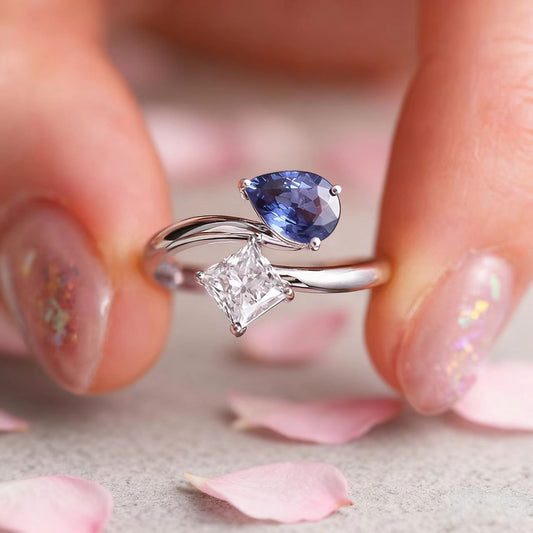
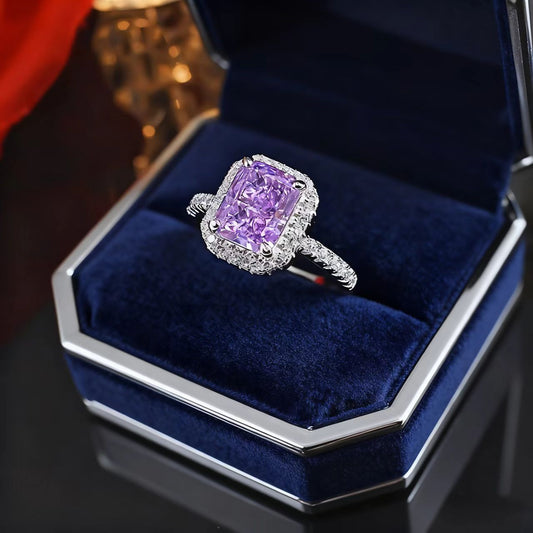
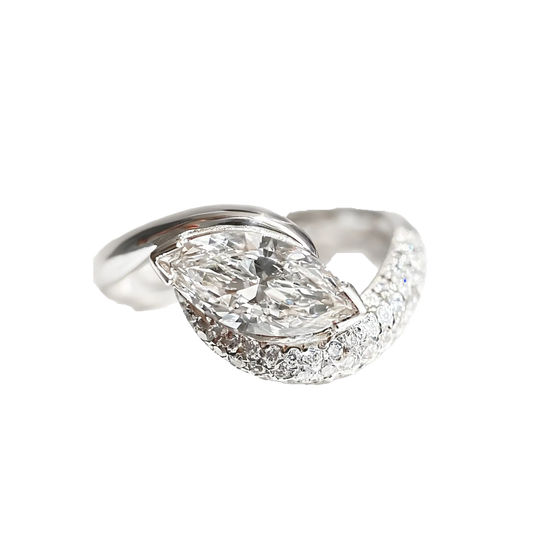
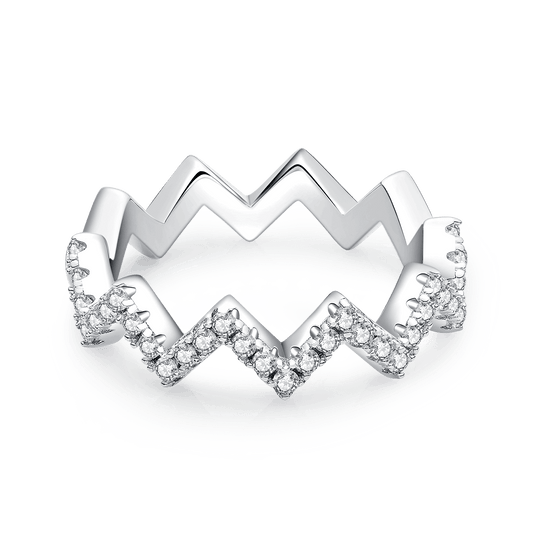
To see how durability, gemstone quality, and design come together in practice, browse our lab made gemstone rings collection—featuring carefully selected lab created gems made for everyday wear, not just special occasions.