What Is a Lab-Grown Gemstone? A Beginner’s Guide to Ethical, Affordable Gems
huangzupengWhat Is a Lab-Grown Gemstone? A Beginner’s Guide to Ethical, Affordable Gems
Lab-grown gemstones are rapidly reshaping the jewelry world. They offer the same beauty as natural stones — often with better clarity, a smaller environmental footprint, and a much more attractive price. But what exactly are they? And why are they becoming so popular?
This beginner-friendly guide breaks down everything you need to know about lab-grown gems, from how they’re made to why so many people are choosing them today.
1. What Exactly Is a Lab-Grown Gemstone?
A lab-grown gemstone is a stone created in a controlled laboratory environment using advanced technology that replicates the natural processes beneath the earth.
The result? A gemstone with the same chemical composition, crystal structure, and optical beauty as natural gems — but grown responsibly and more affordably.
Lab-grown gems are real gemstones, not imitations or “fakes.” They simply come from a lab instead of the earth.
2. How Are Lab-Grown Gemstones Made?
Different gemstones require different growth methods, but the two most common are:
-
CVD (Chemical Vapor Deposition)
Used for diamonds and moissanites. Gas particles crystallize layer by layer, forming a real gem over time. -
HPHT (High Pressure High Temperature)
Mimics the natural environment deep underground. Carbon or other minerals are placed under extreme heat and pressure until they crystallize. -
Flux Growth & Hydrothermal Growth
Common for colored gemstones like rubies, sapphires, and emeralds. These methods allow crystal growth in molten or high-temperature solutions.
No matter the method, the final gemstone has the same internal structure as its natural counterpart.
3. Are Lab-Grown Gemstones Real?
Yes — absolutely.
| Feature | Lab-Grown | Natural |
|---|---|---|
| Chemical Composition | Same | Same |
| Physical Properties | Same | Same |
| Durability | Same | Same |
| Sparkle / Brilliance | Same or Higher | Same |
| Origin | Lab | Earth |
| Price | Much Lower | Higher |
This is why jewelers, gemologists, and grading labs recognize lab-grown gems as real gemstones.
4. Why Are Lab-Grown Gems Cheaper?
Because they do not require:
- Mining
- Heavy machinery
- Scarcity-based pricing
- Complex supply chains
This reduces cost dramatically — without reducing beauty or quality. Consumers get the same sparkle and durability at 30–80% less than natural gems.
5. Why Do People Choose Lab-Grown Gemstones?
There are three main reasons:
1. Ethical & Sustainable
Lab-grown gems avoid:
- Mining pollution
- Land disruption
- Labor concerns
- Environmental damage
They offer a clean, ethical alternative.
2. More Affordable
You can get a larger, higher-quality stone at the same price as a much smaller mined gem.
3. Beautiful & High Quality
Because labs control the growth environment, lab-grown stones often have:
- Fewer inclusions
- Better color
- Stunning brilliance
6. Popular Types of Lab-Grown Gemstones
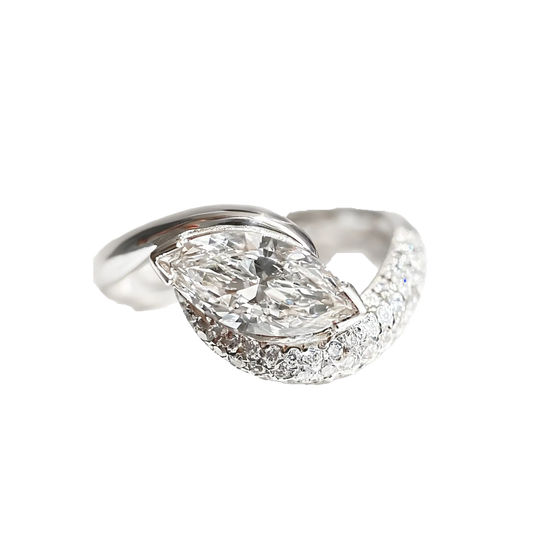
- Lab-Grown Diamonds: Visually identical to natural diamonds but far more affordable.
- Moissanite: One of the brightest, most fiery gemstones on earth — a top choice for engagement rings.
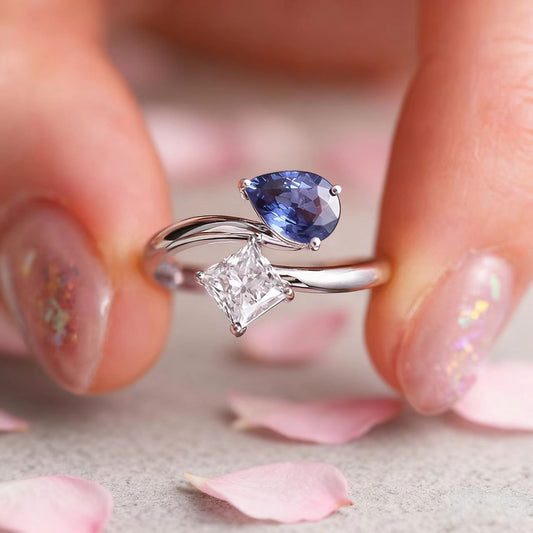
- Lab-Grown Sapphire, Ruby & Emerald: Vibrant colors with excellent clarity.
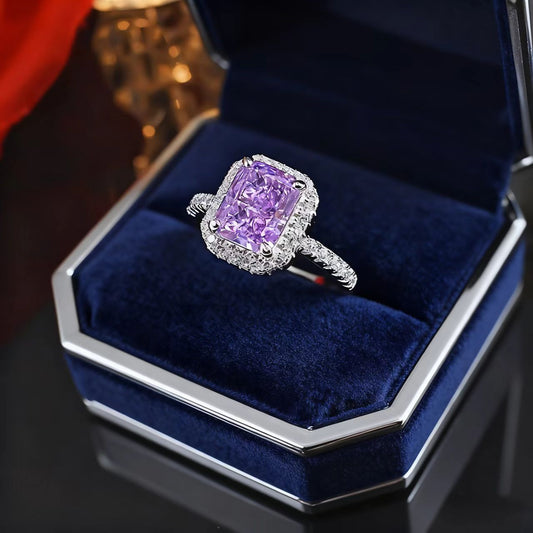
- Colored Lab-Grown Gems: Morganite, aquamarine, alexandrite, and more.
7. Are Lab-Grown Stones Durable Enough for Daily Wear?
Yes. Most popular lab-grown gems — diamonds, moissanite, sapphire, ruby — score extremely high on the Mohs hardness scale.
Moissanite, for example, is a 9.25 — making it one of the hardest stones in the world and perfect for everyday jewelry.

8. How to Choose a Lab-Grown Gemstone
Consider the following:
- Stone type: diamond, moissanite, sapphire, etc.
- Cut: determines sparkle
- Color grade: especially for diamonds
- Clarity: higher clarity is more common for lab-grown stones
- Budget: lab-grown gives you far more value
⭐ Lab-Grown vs Natural Gemstone Comparison Chart
| Feature | Lab-Grown Gemstone | Natural Gemstone |
|---|---|---|
| Origin | Lab-grown environment | Formed naturally over millions of years |
| Appearance | Fewer inclusions, cleaner appearance | More natural variations |
| Durability | Same hardness & composition | Varies by formation |
| Ethical Source | Conflict-free, no mining | May involve mining impact |
| Environmental Impact | Lower carbon footprint | Mining requires heavy resources |
| Price | 30–80% more affordable | Higher |
| Availability | Always in stock, customizable | Limited by nature |
| Ideal For | Budget-friendly fine jewelry | Collectors, rare pieces |
Final Thoughts: Lab-Grown Gems Are the Future of Jewelry
Lab-grown gemstones offer a rare combination of beauty, ethics, and affordability. They look stunning, stand up to daily wear, and allow you to choose a larger or higher-quality stone without overspending.
For anyone seeking a responsible and modern alternative to traditional gems, lab-grown stones are an exceptional choice.