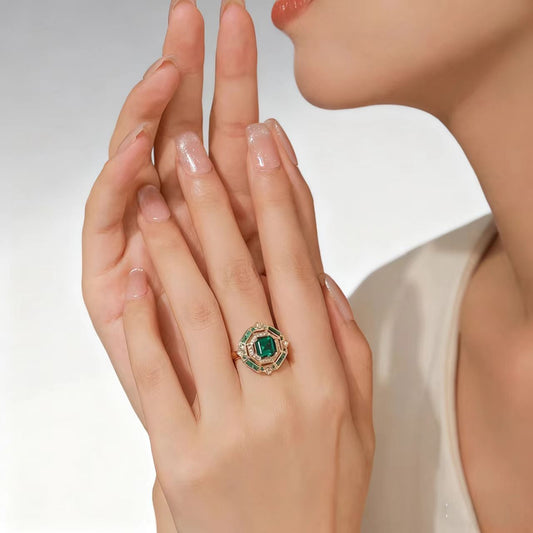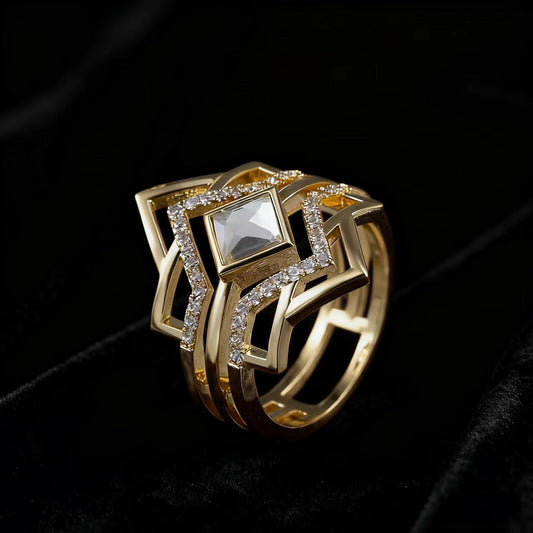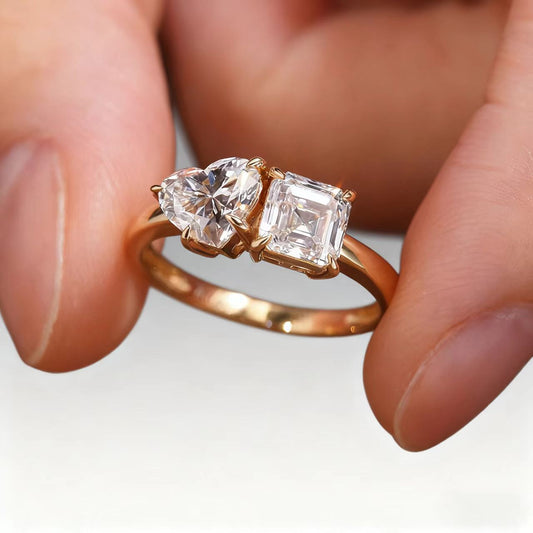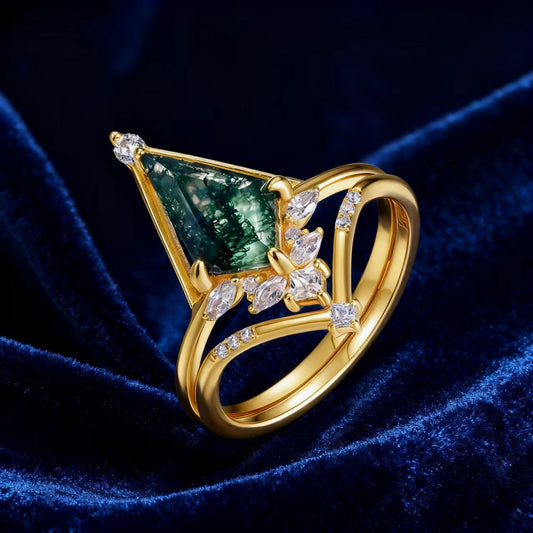
Unique & Non-Traditional: What Are Alternative Engagement Rings Trending in 2026?
huangzupengFor decades, engagement rings followed a predictable formula: a white diamond, a gold band, a familiar silhouette. In 2026, that formula feels increasingly limited.
More couples are asking a different question: what are alternative engagement rings, and why do they feel more relevant to modern relationships?
The shift is not about rejecting tradition outright. It is about redefining it. Alternative engagement rings reflect individuality, ethical awareness, and lifestyle compatibility—values that increasingly matter more than convention.
This guide explores what truly defines alternative engagement rings in 2026, the styles shaping the market, and how to choose one that feels intentional rather than trend-driven.
What Are Alternative Engagement Rings?
Alternative engagement rings are designs that move beyond the traditional diamond solitaire model. They may feature:
- Non-diamond or colored gemstones
- Unconventional metals or mixed-metal combinations
- Handmade or small-batch craftsmanship
- Ethical and sustainable sourcing
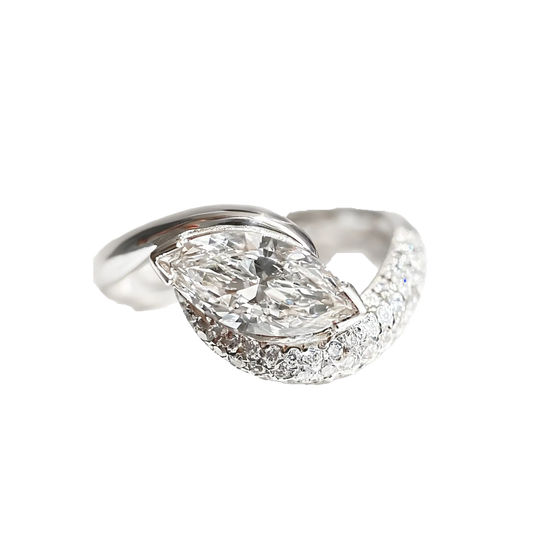
- Symbolic, vintage, or non-classical aesthetics
An alternative engagement ring is not defined by how unconventional it looks, but by why it was chosen. In most cases, it reflects personal values, daily lifestyle, or emotional meaning rather than resale expectations.
Why Alternative Engagement Rings Are Trending in 2026
1. Personal Expression Over Tradition
Modern couples value self-expression. Rings are no longer chosen to meet social expectations, but to reflect identity, story, and individuality.
2. Ethical Awareness
There is growing demand for ethically sourced engagement rings, including lab-created gemstones, recycled metals, and transparent production practices.
3. Lifestyle Compatibility
Comfort and durability now matter as much as appearance. Low-profile settings and wearable designs are increasingly preferred for daily use.
4. Smarter Budget Allocation
Rather than spending disproportionately on a single stone, many couples are choosing balanced designs and allocating budget toward craftsmanship or shared experiences.
Popular Types of Alternative Engagement Rings in 2026
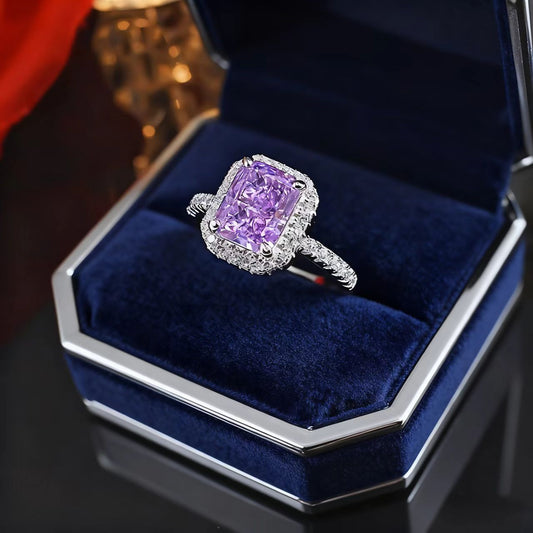
Colored Gemstone Engagement Rings
Color remains one of the strongest signals of non-traditional design.
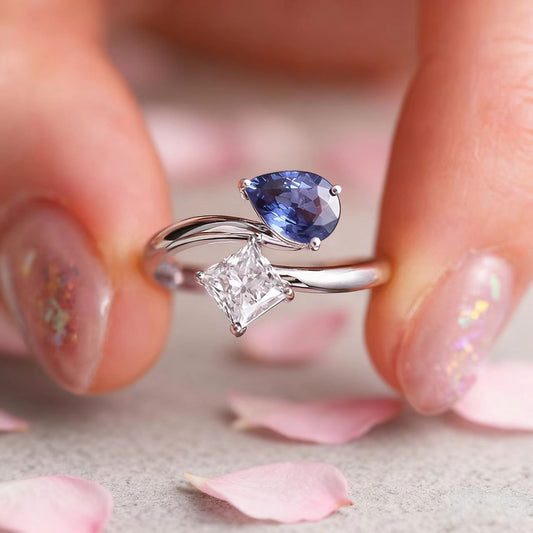
- Blue sapphire engagement rings continue to lead due to their durability and timeless appeal.
- Moss agate engagement rings are favored for organic inclusions and one-of-a-kind patterns.
- Opal engagement rings are chosen for their iridescence, typically for occasional wear.
- Blue topaz and turquoise engagement rings attract buyers seeking softer colors and approachable pricing.

Durability Snapshot (Mohs Scale Reference)
- Sapphire: 9
- Blue Topaz: 8
- Turquoise: 5–6
- Opal: 5–6
This is why sapphire is often selected for everyday wear, while opal and turquoise are better suited to low-impact lifestyles or protective settings.
Silver and Mixed-Metal Engagement Rings
Silver is no longer perceived as a secondary option.
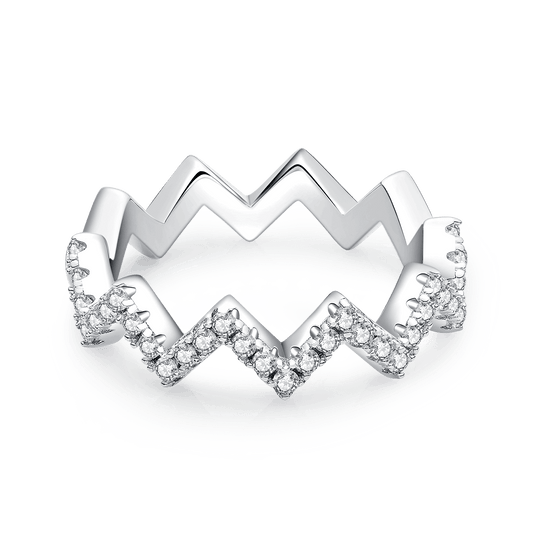
- Sterling silver engagement rings and s925 rings are increasingly chosen for design flexibility.
- Gold and silver engagement rings introduce contrast and contemporary balance.
- Silver finished with white gold plating achieves a platinum-like appearance while remaining accessible.
These designs appeal to couples seeking budget-friendly engagement rings without compromising craftsmanship.

Bezel Set and Low-Profile Engagement Rings
Practical design is becoming a defining trend.
- Bezel engagement rings secure the stone fully, reducing snagging and impact damage.
- Ideal for active lifestyles and long-term daily wear.
- Particularly effective for alternative gemstones that benefit from added protection.
Functionality is now part of modern aesthetics.
Handmade and One-of-a-Kind Engagement Rings
Mass production is losing emotional appeal.
- Handmade engagement rings emphasize visible craftsmanship.
- Small variations are seen as character, not imperfection.
- Customisable engagement rings allow symbolic details and personal narratives.
These designs resonate strongly with buyers who value authenticity.
Ethical and Sustainable Engagement Rings
Ethics are no longer optional.
- Ethical engagement rings prioritize responsible sourcing.
- Lab-created gemstones reduce environmental impact.
- Recycled metals support sustainability without sacrificing quality.
For many couples, ethical considerations are integral to the meaning of the ring.
How Alternative Engagement Rings Compare to Traditional Designs
Traditional engagement rings often emphasize status recognition and resale value. Alternative engagement rings prioritize:
- Daily wearability
- Emotional significance
- Original design language
- Ethical responsibility
In many cases, alternative designs age better because they are chosen intentionally rather than conventionally.
How to Choose the Right Alternative Engagement Ring
- Lifestyle: Will the ring be worn every day or occasionally?
- Stone durability: Hardness and setting both matter.
- Metal choice: Weight, maintenance, and skin sensitivity.
- Design longevity: Meaning tends to outlast trends.
The best alternative engagement ring is one that still feels right years later.
Final Thoughts: Redefining Engagement Rings in 2026
So, what are alternative engagement rings in 2026?
They are not simply unconventional designs. They represent a broader shift toward intentional choices, ethical awareness, and personal expression.
An engagement ring no longer needs to follow tradition to feel timeless. It only needs to reflect the people who wear it.
Curious how alternative engagement rings look when craftsmanship and materials come together thoughtfully? Exploring a curated 2026 collection can be a practical next step toward finding a design that feels genuinely yours.