Stop Overpaying for the Name: 5 Hidden Gems That Offer More Sparkle for Half the Price
huangzupengIntroduction: The Luxury Brand Illusion
If you’ve ever shopped for fine jewelry in the United States, you’ve likely heard the infamous “three-month salary rule.” It’s presented as tradition. In reality, it’s marketing — designed to normalize extreme spending on a single piece of jewelry.
Walk into a luxury boutique, see a famous blue box or velvet pouch, and suddenly a five-figure price tag feels justified. But here’s the uncomfortable truth: a high price or a recognizable brand name does not automatically mean better gemstone quality or superior sparkle.
What most buyers never learn is that brilliance is measurable. Fire is measurable. Durability is measurable. And many diamond alternatives and lab created gems actually outperform traditional diamonds in optical performance — at a fraction of the cost.
This is where the concept of the Sparkle-to-Price Ratio matters. Smart jewelry buying isn’t about “settling for less.” It’s about choosing stones that deliver higher visual impact, ethical sourcing, and better value, without paying a marketing markup.
In today’s gemstone world, the most informed buyers aren’t asking “What’s the most expensive?” They’re asking: What truly sparkles the most for the price?
Why We Overpay: The Brand Tax Explained
Luxury jewelry pricing is not built purely on materials. It is built on layers of overhead.
Traditional retail markups often range from 300% to 500%. Why?
- Flagship boutique rent in premium shopping districts
- Celebrity endorsement contracts
- National TV advertising
- Wholesale distribution chains
Yet here’s what the industry rarely admits:
Many well-known brands and independent jewelers source lab created stones and natural gemstones from the same global cutting facilities. The difference is not gemstone quality — it is branding.
This is the Brand Tax.
By understanding this, modern buyers are shifting toward ethical jewelry, direct-to-consumer jewelers, and affordable engagement rings that prioritize craftsmanship and gemstone performance over logo prestige.
The Top 5 Hidden Gems That Outshine Traditional Diamonds
Each of these stones offers a powerful solution to a specific buyer concern — without compromising beauty or durability.
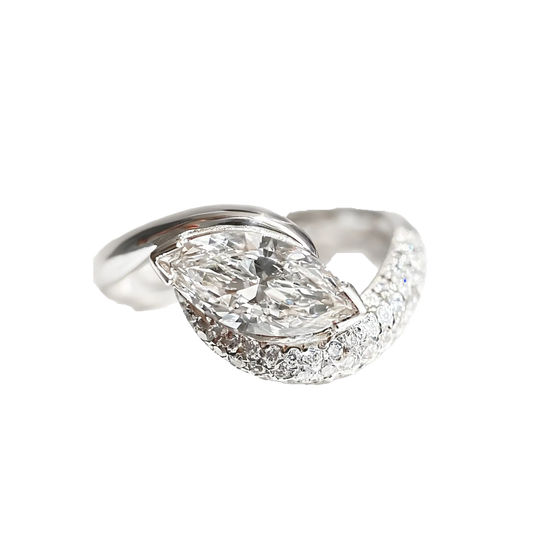
Gem #1: Moissanite — The Fire Champion Among Lab Created Gems

Moissanite has quietly become the star of the modern lab made gemstone rings movement.
Its secret lies in physics. Moissanite has a higher refractive index than diamond, meaning it bends light more aggressively — creating stronger rainbow fire under natural sunlight.
Why it sparkles:
More dispersion = more colorful flashes = more eye-catching brilliance.
The price difference:
A 1-carat diamond can cost $5,000–$10,000+.
A visually comparable moissanite often costs under 10–20% of that.
Pain point solved:
“I want maximum sparkle without paying a luxury-brand diamond price.”
It’s no surprise moissanite now dominates the affordable engagement rings category and is widely used in lab made gemstones collections worldwide.
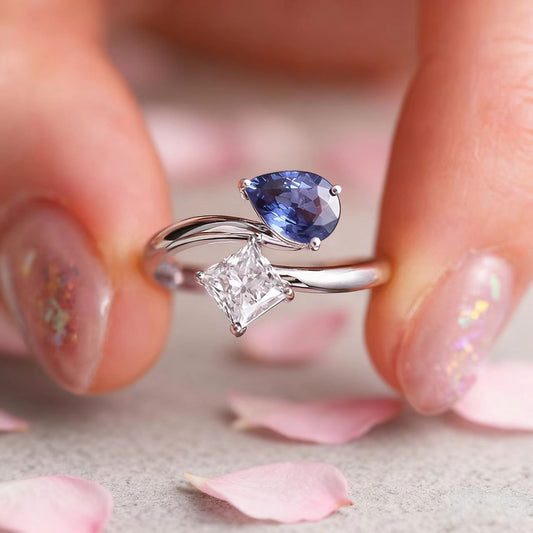
Gem #2: Lab-Grown Sapphires — Durable Lab Created Stones for Everyday Wear

Sapphires — especially white and teal varieties — deliver classic elegance with outstanding durability.
Ranking 9 on the Mohs hardness scale, lab-grown sapphires are ideal for daily-wear rings, making them perfect for colored gem wedding rings.
Why they work:
- Excellent scratch resistance
- Crisp gemstone cut performance
- Elegant, timeless appearance
The price difference:
Lab grown sapphires cost dramatically less than mined stones of comparable clarity and color.
Pain point solved:
“I want a natural-looking gemstone that survives my active lifestyle.”
As demand grows for lab created gem stones with longevity, sapphires have become a cornerstone of modern gemstone quality standards.
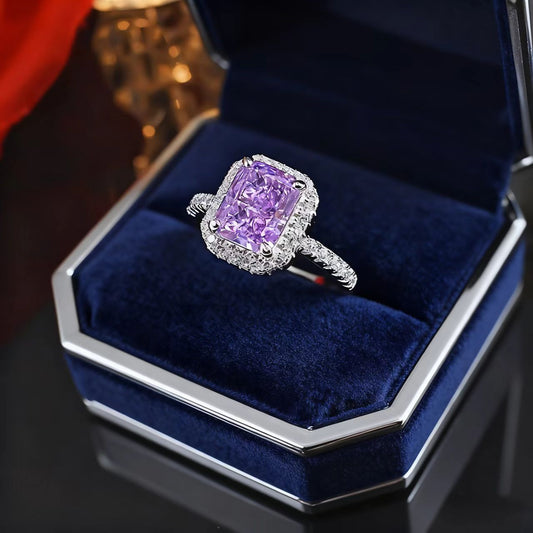
Gem #3: Morganite — The Romantic Favorite in Gold and Gems

Soft blush tones. Feminine warmth. A modern, personal aesthetic.
Morganite has become a Pinterest favorite — especially when paired with rose gold settings in contemporary gold and gems designs.
Why it sparkles:
Its pastel hue reflects soft brilliance rather than sharp fire — creating a unique emotional tone.
The price difference:
Large morganite stones remain highly affordable compared to diamonds or pink sapphires.
Pain point solved:
“I want something unique, personal, and visually distinctive.”
Morganite has become one of the most requested created gemstones in boutique engagement designs.
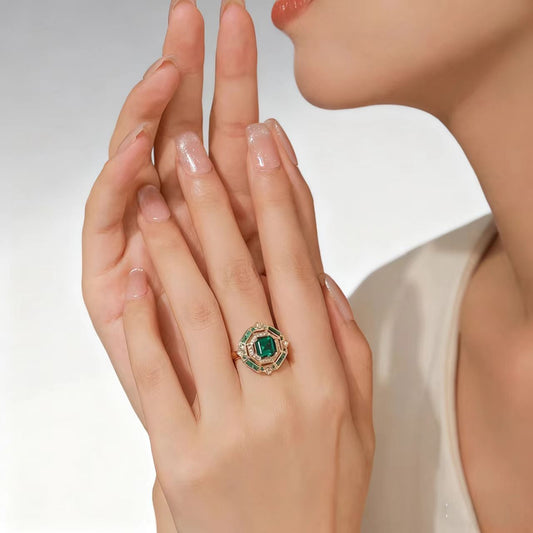
Gem #4: Lab-Grown Emeralds — Old-Money Luxury Without the Fragility

Natural emeralds are famous — and famously fragile. Internal inclusions make them prone to cracking.
Lab created gem stones solve this entirely.
Lab-grown emeralds offer:
- Rich saturated green color
- Near-perfect clarity
- Improved structural stability
The price difference:
A high-grade natural emerald can cost tens of thousands.
A lab-grown version delivers the same visual luxury at a fraction of the cost.
Pain point solved:
“I love classic luxury, but I want durability and value.”
This is why lab emeralds now headline premium colored gem wedding rings collections.
Gem #5: White Topaz or Zircon — Budget-Friendly Brilliance

For everyday jewelry or travel rings, white topaz and zircon provide crisp sparkle with excellent affordability.
Why they work:
- Bright, clean appearance
- Natural earth-mined origins
- Easy replacement cost
Pain point solved:
“I want beautiful everyday jewelry I don’t have to worry about.”
They remain popular entry points into the gemstone lab world.
Comparison Guide: Sparkle and Durability at a Glance
The Sparkle Scale — Refractive Index Comparison
- Diamond: 2.42
- Moissanite: 2.65 (higher fire)
- Sapphire: 1.77
- Emerald: 1.58
- Topaz: 1.62
Key insight:
Moissanite outperforms diamonds in rainbow fire. Sapphires and emeralds offer elegant glow with strong identity. Each stone fills a different emotional and functional role.
Durability Check — Everyday Wear Readiness
- Moissanite: Excellent
- Sapphire: Excellent
- Emerald (lab-grown): Good
- Morganite: Moderate
- Topaz/Zircon: Moderate
All listed stones are suitable for engagement or daily wear when set correctly — reinforcing the rise of lab made gemstone rings as true fine jewelry, not costume alternatives.
Conscious Consumerism: Ethical Jewelry and Smart Value
Modern buyers care where their gemstones come from.
Many lab created gems offer:
- Conflict-free sourcing
- Lower environmental impact
- Transparent supply chains
Just as important: money saved on overpriced branding can go toward:
- Higher-quality metal settings
- Platinum or gold upgrades
- Honeymoons or home down payments
This is the new definition of luxury: value with intention.
Conclusion: Luxury Is a Feeling, Not a Price Tag
The jewelry industry is changing. Buyers are no longer impressed by logos alone. They want:
- Superior sparkle
- Verified gemstone quality
- Ethical sourcing
- Rational pricing
Choosing lab created stones, lab made gemstones, and modern colored gem wedding rings isn’t about compromise. It’s about clarity — both optical and financial.
True luxury is wearing a piece you love — not paying for a name you don’t need.
Call to Action
Explore our Hidden Gems Collection and experience how lab made gemstone rings, precision gemstone cuts, and modern gemstone quality standards come together in designs created for real life.
Download our Jewelry Buyer’s Cheat Sheet to learn how industry insiders evaluate sparkle, durability, and true value before making a purchase.