Most Popular Lab-Grown Gemstone Colors in the U.S.
huangzupengMost Popular Lab-Grown Gemstone Colors in the U.S.
Lab-grown gemstones have become a mainstream choice in the U.S. jewelry market—not just for ethical and budget reasons, but also because of their expanding color options. Today’s buyers are no longer limited to traditional white stones. Instead, color preference is shaping how Americans choose engagement rings, everyday jewelry, and meaningful gifts.
This guide breaks down the most popular lab-grown gemstone colors in the U.S., why they are trending, and how consumers are choosing colors based on lifestyle, fashion, and personal expression.
Why Color Matters More Than Ever in Lab-Grown Jewelry
In recent years, U.S. consumers have shifted from “one-size-fits-all” jewelry toward personalization. Color plays a major role because it affects:
• How jewelry looks on different skin tones
• Emotional meaning and symbolism
• Versatility for daily wear
• Fashion compatibility
Lab-grown gemstones make color more accessible, consistent, and affordable—allowing buyers to choose what truly fits their style rather than what is traditionally expected.
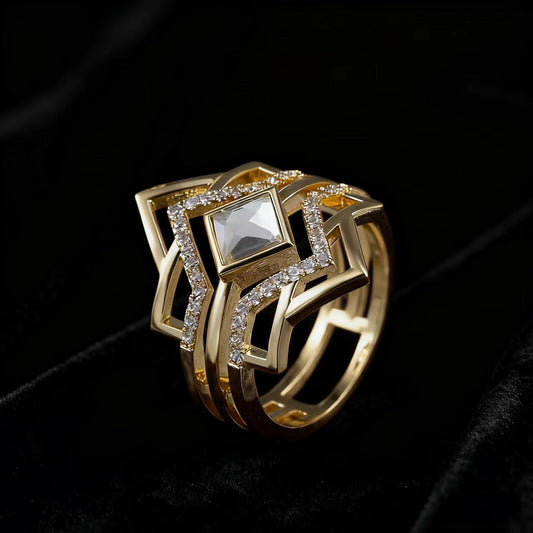
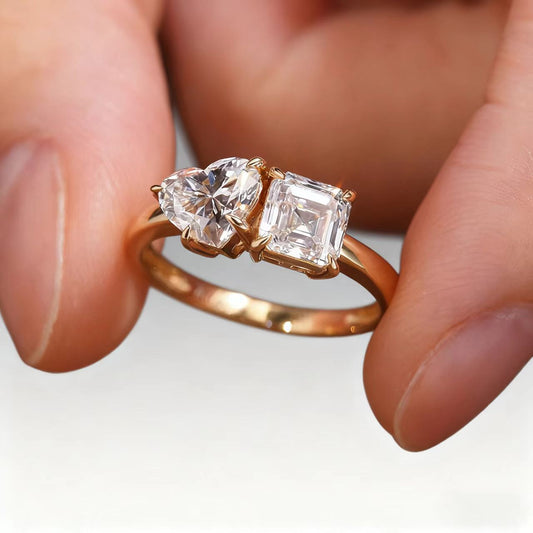
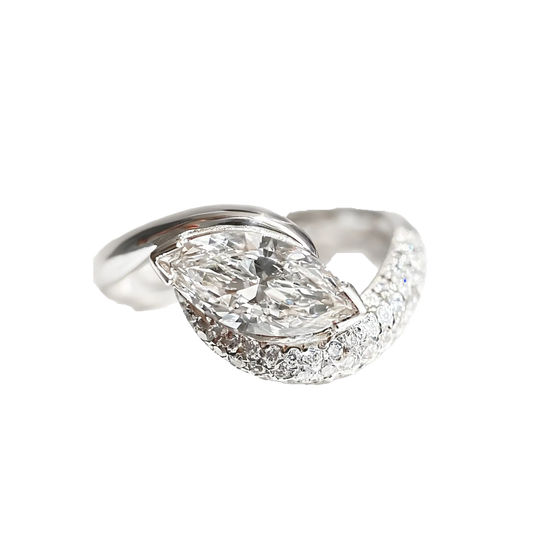
1. White / Colorless (Still the Most Popular Choice)
White remains the most popular lab-grown gemstone color in the U.S.
Why Americans love it:
• Timeless and classic
• Looks clean, bright, and elegant
• Matches any outfit or metal color
• Ideal for engagement rings
Colorless lab-grown stones—such as white moissanite or lab-grown diamonds—dominate engagement ring sales and first-time jewelry purchases. Many buyers prefer a stone that looks luxurious but never goes out of style.
Best for: engagement rings, wedding bands, everyday jewelry
Style appeal: minimal, classic, elegant

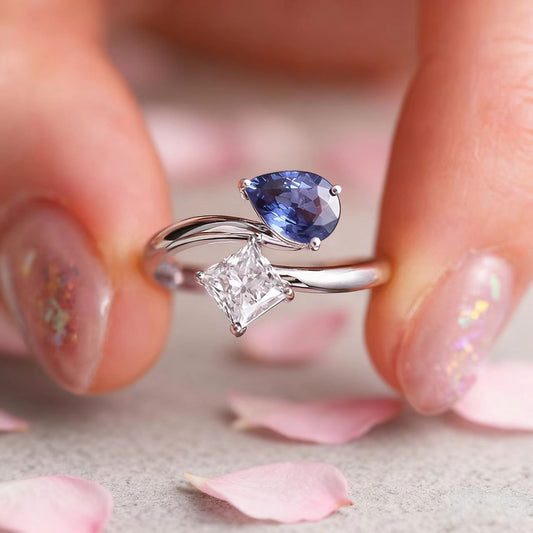
2. Blue (The Fastest-Growing Color Trend)
Blue is currently the fastest-growing lab-grown gemstone color in the U.S., especially among younger buyers.
Popular shades include:
• Sapphire blue
• Light sky blue
• Deep navy blue
Why blue is trending:
• Associated with calm, trust, and confidence
• Looks flattering on most skin tones
• Adds color without being too bold
• Popular as a diamond alternative
Many U.S. couples now choose blue center stones for engagement rings as a way to stand out while remaining sophisticated.
Best for: engagement rings, statement rings
Style appeal: modern, confident, elegant

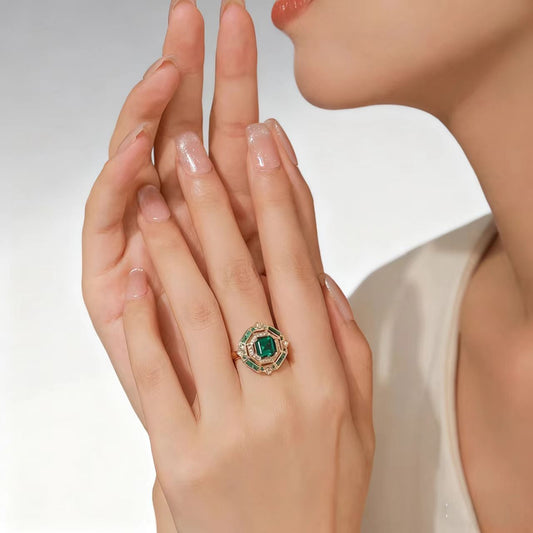
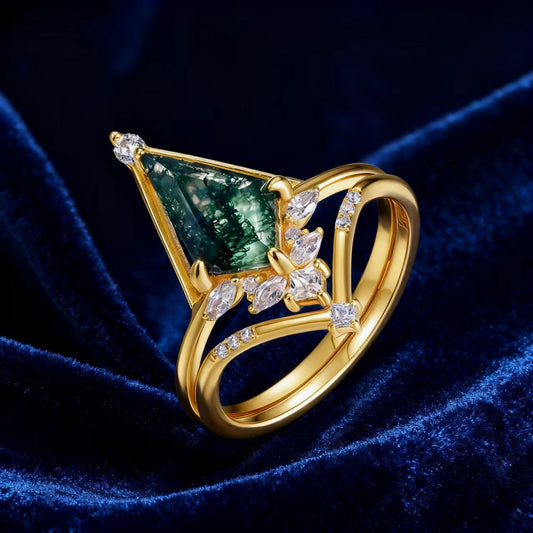
3. Green (Elegant and Symbolic)
Green lab-grown gemstones are gaining strong traction in the U.S. market, especially among buyers who value meaning and individuality.
Why green is popular:
• Symbolizes growth, renewal, and balance
• Works beautifully with yellow gold
• Looks rich and luxurious
Lab-grown emeralds and green moissanite are frequently chosen by buyers who want something unique but still refined.
Best for: cocktail rings, anniversary gifts
Style appeal: elegant, artistic, meaningful

4. Pink (Romantic and Softly Feminine)
Pink lab-grown gemstones are especially popular among women shopping for self-purchase jewelry, gifts, and romantic statement pieces.
Why Americans love pink:
• Soft, romantic, and flattering
• Less traditional than white
• Expresses personality and warmth
Pink stones pair particularly well with rose gold and are often chosen for earrings and delicate rings.
Best for: earrings, stackable rings, gifts
Style appeal: romantic, gentle, modern

5. Yellow & Champagne (Warm and Understated Luxury)
Warm-toned gemstones like yellow and champagne are quietly rising in popularity across the U.S., especially among buyers who prefer subtle luxury over bold sparkle.
Why these colors are appealing:
• Warm, earthy elegance
• Less flashy than white stones
• Excellent for everyday wear
• Unique without being trendy
Champagne tones, in particular, are popular among mature buyers and those who want something refined and low-key.
Best for: daily wear rings, minimalist designs
Style appeal: warm, understated, sophisticated

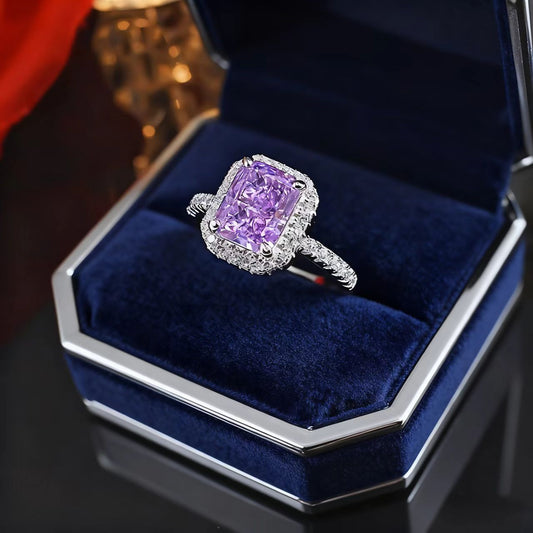
6. Purple (Niche but Growing)
Purple lab-grown gemstones remain a niche choice, but interest is steadily growing.
Why buyers choose purple:
• Symbol of creativity and individuality
• Stands out without being loud
• Appeals to artistic and fashion-forward consumers
Purple stones are often chosen for personal jewelry rather than engagement rings.
Best for: statement pieces, personal collections
Style appeal: creative, expressive, unique

How Americans Choose Gemstone Colors Today
U.S. buyers typically choose lab-grown gemstone colors based on:
• Daily wear compatibility
• Skin tone and hand appearance
• Emotional meaning
• Lifestyle (office vs. casual)
• Desire to stand out without regret
Unlike traditional diamonds, lab-grown gemstones allow customers to prioritize preference over convention.
Which Colors Are Best for First-Time Buyers?
For customers new to lab-grown gemstones, the safest choices are:
• White / colorless
• Light blue
• Champagne
These colors are versatile, timeless, and easy to style—making them ideal entry points into lab-grown jewelry.
Conclusion: Color Is the New Standard
The U.S. lab-grown gemstone market is no longer just about affordability—it’s about choice and identity. While white stones remain dominant, blue, green, pink, and warm champagne tones are reshaping consumer preferences.
Choosing the right gemstone color is no longer about rules.
It’s about how the jewelry makes you feel—and how naturally it fits into your life.