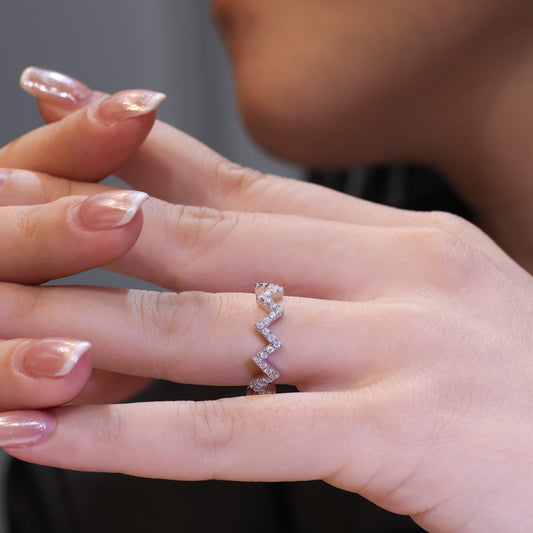

Is 925 Sterling Silver Good for Everyday Jewelry? Pros, Cons, and Care Tips
huangzupeng
I recommend 925 Sterling Silver for daily jewelry because it offers durability and a classic look. Many people ask about tarnishing, skin reactions, and care requirements.
- Tarnishing can occur with exposure to chemicals.
- Some people report skin reactions.
- Regular care helps maintain shine and integrity.
Key Takeaways
- 925 Sterling Silver is durable and ideal for daily wear, making it a reliable choice for rings, earrings, and pendants.
- Regular cleaning and proper storage can prevent tarnishing and keep your jewelry looking new for years.
- This alloy is hypoallergenic, making it safe for sensitive skin, and offers an elegant look at a more affordable price than gold or platinum.
Is 925 Sterling Silver Good for Daily Wear?

Suitability for Everyday Use
I often recommend 925 Sterling Silver for daily jewelry because it combines strength, beauty, and practicality. The alloy contains 92.5% pure silver and 7.5% copper, which increases durability and helps the jewelry withstand daily wear. Many jewelers and experts agree that this combination makes sterling silver for jewelry a reliable choice for rings, earrings, and pendants.
Tip: Choose 925 Sterling Silver pieces for items you plan to wear every day. The metal resists deformation and scratches better than pure silver.
The following table compares the durability of popular jewelry metals:
|
Metal Type |
Durability Description |
|
Pure Silver |
Soft and bendable, unsuitable for daily wear due to loss of shape. |
|
925 Sterling Silver |
Sturdy, holds detailing well, and designed for everyday use without losing elegance. |
Quality 925 Sterling Silver jewelry can last for generations with proper care. Many families pass down sterling silver pieces as cherished heirlooms. I have seen how these pieces outlast cheaper alternatives, reducing the need for frequent replacements.
Scientific studies and expert opinions support the suitability of 925 Sterling Silver for everyday use. The material is skin-safe and nickel-free, which makes it ideal for individuals with sensitive skin. With regular cleaning, sterling silver maintains its shine and lasts for decades. The added copper strengthens the metal, reducing scratches and deformation. I find that it serves as an excellent alternative to pricier options like white gold or platinum, while maintaining a luxurious feel.
Why People Choose Sterling Silver
People choose 925 Sterling Silver for daily jewelry for several reasons. I see customers drawn to its resilience and ability to withstand normal wear and tear. The affordability of sterling silver for jewelry makes it accessible to a wide range of buyers. It offers a high-quality appearance at a lower price compared to gold or platinum.
- Durability: 925 Sterling Silver is resilient and can withstand everyday use.
- Affordability: It provides elegance without the high cost of gold or platinum.
- Hypoallergenic Properties: Safe for sensitive skin, reducing the risk of allergic reactions.
- Timeless Style: Versatile enough to complement both casual and formal attire.
- Low Maintenance: Requires minimal care and is easy to clean.
- Environmental Benefits: Being recyclable, it supports sustainable practices in the jewelry industry.
I notice that 925 Sterling Silver is favored for daily jewelry because it is more accessible than gold and platinum. Silver is more readily available and less expensive to mine, making it a feasible option for many. This affordability makes 925 sterling silver good for those who want elegance without high costs.
What Is 925 Sterling Silver?
Composition and Strength
I often explain to customers that 925 Sterling Silver is an alloy made of 92.5% pure silver and 7.5% other metals, usually copper. This precise blend gives the metal its name and is the industry standard for high-quality jewelry. The addition of copper increases the strength and durability of the silver, making it suitable for daily wear. Pure silver is beautiful but far too soft for practical use. When jewelers add copper, the silver becomes tougher and less likely to bend or scratch. I have seen how this composition allows jewelry to maintain its shape and intricate details over time.
Note: The copper in the alloy helps preserve the original color of silver, so pieces retain their bright, attractive finish.
The table below highlights the difference in physical properties:
|
Type |
Silver Content |
Other Metals |
Durability |
Suitability for Jewelry |
|
Pure Silver |
99.9% |
0.1% |
Very soft |
Poor |
|
925 Sterling Silver |
92.5% |
7.5% Copper |
Strong, resilient |
Excellent |
Difference from Pure Silver
I always point out that pure silver, while stunning, is not ideal for jewelry. It bends easily and loses its shape with regular use. In contrast, 925 Sterling Silver offers a balance between beauty and practicality. The copper content makes the alloy much harder and more resistant to everyday wear. I find that sterling silver jewelry holds up well, even when worn daily. Tarnishing can occur because of copper, but I reassure customers that it is easy to polish away. This makes 925 Sterling Silver a reliable choice for those who want both elegance and durability in their jewelry.
Pros of 925 Sterling Silver Jewelry
Durability and Longevity
I always recommend 925 Sterling Silver for jewelry that needs to last. The alloy’s strength allows rings, earrings, and pendants to handle daily wear without bending or breaking. I have seen customers wear their favorite pieces for years, and the jewelry maintains its shape and detail. Many people ask if 925 sterling silver good for everyday use. I assure them that the metal’s resilience makes it a reliable choice. Some studies even suggest that wearing silver may improve blood circulation and reduce inflammation, which adds another layer of appeal.
Note: Daily wear can help prevent tarnish by keeping the jewelry in contact with skin, which naturally polishes the surface.
Hypoallergenic Benefits
I often hear concerns about skin reactions. I explain that sterling silver for jewelry is generally hypoallergenic. The high purity of 925 Sterling Silver reduces the risk of allergies, since copper is less likely to cause irritation. Most manufacturers avoid nickel, which is the main culprit for allergic reactions. I advise customers with sensitive skin to choose reputable jewelers who guarantee nickel-free alloys. Some people may still experience sensitivities, but these cases are rare.
- 925 Sterling Silver contains 92.5% silver and 7.5% copper, both considered hypoallergenic.
- Nickel-free options further reduce the risk of skin irritation.
- Coatings on some pieces provide extra protection.
Easy Maintenance
I find that maintaining the shine and appearance of 925 Sterling Silver is simple. Regular cleaning with a soft cloth after each wear removes oils and dirt. I recommend storing jewelry in anti-tarnish pouches or fabric-lined boxes to minimize exposure to air and moisture. Avoiding chemicals like perfumes and lotions helps preserve the finish. Using a polishing cloth keeps the jewelry looking new. With these habits, sterling silver for jewelry remains bright and attractive for years.
|
Maintenance Tip |
Benefit |
|
Clean with soft cloth |
Removes oils and prevents tarnish |
|
Store in anti-tarnish pouch |
Minimizes exposure to air |
|
Avoid chemicals |
Preserves shine |
I believe 925 Sterling Silver offers a combination of durability, safety, and easy care that makes it ideal for everyday jewelry.
Cons of 925 Sterling Silver Jewelry
Tarnishing Over Time
I often explain to customers that tarnishing is the most common drawback of sterling silver for jewelry. Exposure to air, moisture, and personal care products causes the metal to react and lose its shine. I notice that even high-quality pieces can develop a dull or yellowish appearance if not cared for properly.
- Tarnishing occurs when copper in the alloy reacts with environmental chemicals.
- Air and moisture accelerate the process.
- Lotions, perfumes, and sweat can speed up tarnish formation.
Tip: Wearing your jewelry regularly helps slow down tarnishing, but I recommend storing pieces in anti-tarnish pouches when not in use.
Prone to Scratches
925 sterling silver good for daily wear, but it remains softer than gold or platinum. I see scratches and dents appear on rings and bracelets after rough activities.
- The metal’s softness makes it susceptible to surface damage.
- Scratches often result from contact with hard surfaces or careless handling.
- Storing jewelry in a secure box reduces the risk of accidental damage.
I advise polishing with a soft microfiber cloth to remove dirt and minimize scratches. Handle each piece gently to preserve its finish.
Regular Cleaning Needed
Maintaining the shine of sterling silver for jewelry requires consistent upkeep. I clean my own pieces weekly to prevent buildup of oils, dust, and makeup.
- Warm water and mild dish soap work well for gentle cleaning.
- Baking soda helps maintain brightness.
- Microfiber cloths are ideal for polishing.
I find that regular cleaning keeps jewelry looking new, but it does add to the maintenance routine. Those who prefer low-maintenance options may find this a disadvantage.
Caring for 925 Sterling Silver

Daily Wear Tips
I always remind my clients that daily habits make a big difference in keeping jewelry looking its best. I suggest these simple steps:
- Put on jewelry after applying lotions or perfumes.
- Remove pieces before swimming in pools or saltwater.
- Avoid wearing jewelry during household chores or sports.
- Handle each piece gently to prevent scratches.
Tip: Wearing your jewelry often helps keep it polished by natural skin oils.
Cleaning and Storage Advice
I clean my jewelry regularly to maintain its shine. I use a mild dish soap and warm water solution, gently scrubbing with a soft toothbrush. For heavier tarnish, I make a paste with baking soda and water, rub it on, rinse, and dry thoroughly. I always store each piece separately in an airtight bag with anti-tarnish strips. This prevents scratches and limits exposure to air.
|
Storage Practice |
Why It Matters |
|
Clean before storing |
Removes dirt and oils that cause tarnish |
|
Store separately |
Prevents scratches from other jewelry |
|
Use anti-tarnish materials |
Reduces moisture and air exposure |
|
Keep in a cool, dry place |
Slows down tarnishing |
Preventing Tarnish
I focus on prevention to keep my jewelry bright. I store pieces in cool, dry places and use airtight packaging. I avoid contact with harsh chemicals and clean my jewelry as soon as I notice any dullness. I also wear my jewelry often, which helps protect it from tarnish.
Care for Rings, Earrings, and Pendants
I use a jewelry care cloth for rings with smooth surfaces. For earrings and pendants, especially those with stones or intricate designs, I use a damp cloth with mild soap and avoid soaking. I always store these items away from humidity and sunlight. Regular cleaning and careful storage keep my 925 Sterling Silver jewelry looking new.
I find 925 sterling silver good for daily jewelry because it balances affordability, durability, and timeless style. With proper care, sterling silver for jewelry resists tarnish and maintains its shine. I recommend it for rings, earrings, and pendants. Regular cleaning and mindful storage help each piece last for years.
FAQ
Is 925 sterling silver good for sensitive skin?
I recommend 925 sterling silver for jewelry because it is nickel-free and hypoallergenic. Most people with sensitive skin wear it without irritation.
How often should I clean my sterling silver jewelry?
I clean my sterling silver for jewelry once a week. Regular cleaning keeps the shine and prevents tarnish. Use a soft cloth for best results.
Can I shower with 925 sterling silver jewelry?
I avoid wearing 925 sterling silver good pieces in the shower. Water and soap can cause tarnishing. I remove jewelry before bathing to protect its finish.