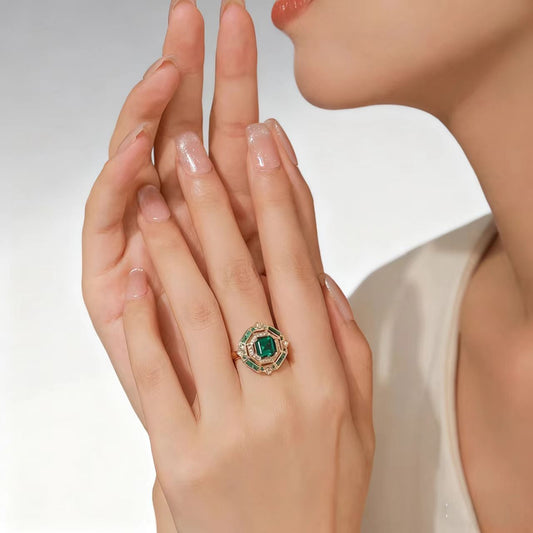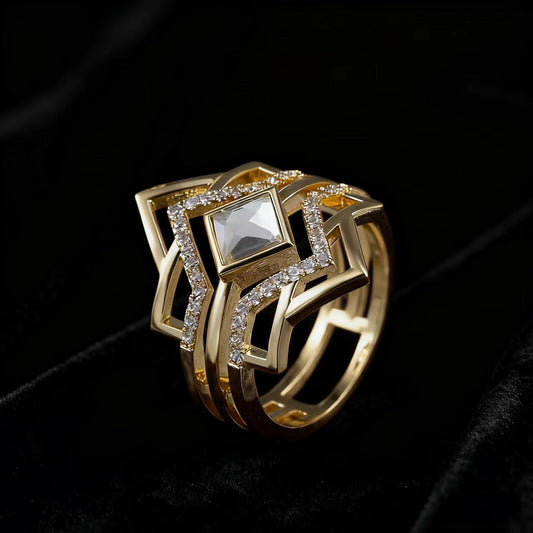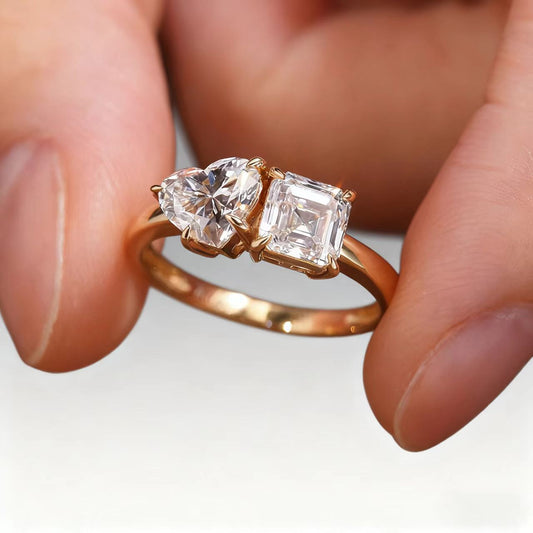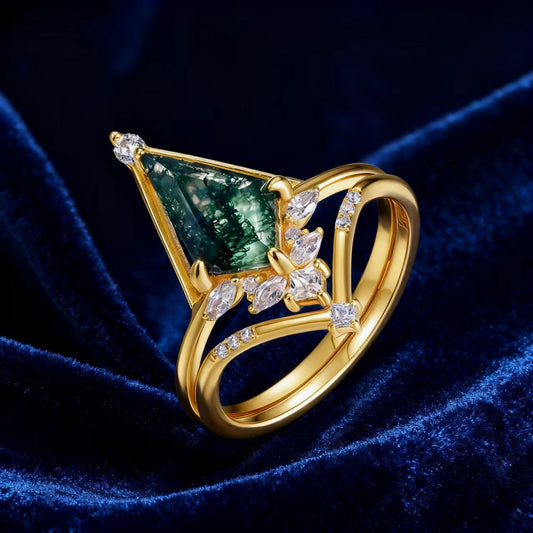
Gold Engagement Rings: A Complete Buying Guide for Modern, Ethical Love(2026 edition)
huangzupengGold engagement rings have symbolized love, commitment, and lifelong partnership for centuries. But in 2026, couples are rewriting the rules. An engagement ring is no longer about following tradition or proving a price tag. It is about meaning. Values. Identity.
In my years of helping couples at Bocos, I’ve noticed a clear shift. People aren’t asking for the biggest diamond anymore. They’re asking, “Where did this stone come from?” and “Will this ring still feel like me in ten years?”
Modern buyers want beauty without unnecessary markups. Luxury without environmental guilt. A ring that fits real life — not outdated myths like the “three-month salary rule.”
Gold lasts. Period.
This guide walks you through everything you need to know about gold engagement rings — from gold types and gemstone choices to lab-created sapphires, ethical sourcing, and modern alternatives. Whether you are buying your first engagement ring or upgrading a meaningful piece, this is your roadmap to choosing wisely.
Why Gold Engagement Rings Remain a Timeless Choice
Gold engagement rings have never gone out of style — and they never will. Across cultures and generations, gold remains the universal symbol of enduring love.
But timeless does not mean outdated. Today’s gold engagement rings blend heritage craftsmanship with modern design, ethical sourcing, and contemporary gemstone trends.
The Symbolism of Gold in Engagement Rings
Gold represents permanence. Unlike base metals, gold does not rust or corrode. That natural resistance to decay made gold the historical symbol of love that does not fade.
In an engagement ring, gold is more than a material. It feels warm against the skin. It carries weight. Presence. It tells the wearer this ring is not a trend — it is a personal treasure built to last.
Gold Engagement Rings vs Other Metals: Why Gold Still Wins
Modern couples have more metal options than ever — platinum, palladium, titanium, silver, and stainless steel. Yet gold engagement rings remain the first choice for three clear reasons:
- Longevity — Gold maintains structural integrity for decades.
- Workability — Gold allows precise craftsmanship and secure gemstone settings.
- Aesthetic versatility — Gold complements every skin tone and gemstone color.
Platinum is durable but expensive. Silver is lightweight but softer. Alternative metals lack long-term repairability. Gold delivers the perfect balance of beauty, durability, and heritage value.
Who Gold Engagement Rings Are Best For
- Couples who want a ring designed to last decades
- Those who appreciate classic luxury aesthetics
- Anyone planning to wear their ring daily
- Buyers who value resizing and long-term maintenance
- Couples who see jewelry as heritage, not just fashion
For those seeking lasting beauty with responsible choices, gold remains the foundation of fine engagement jewelry.
Types of Gold Used in Engagement Rings (What You Really Need to Know)
Not all gold engagement rings are created equal. Karat purity and gold color directly affect durability, price, and appearance. Understanding these differences protects you from overpaying — or choosing the wrong ring for your lifestyle.
Yellow Gold Engagement Rings: Classic and Warm
There’s something undeniably soulful about yellow gold. That familiar warm glow — the kind that looks even better as it gathers tiny scratches over years of wear. It feels alive.
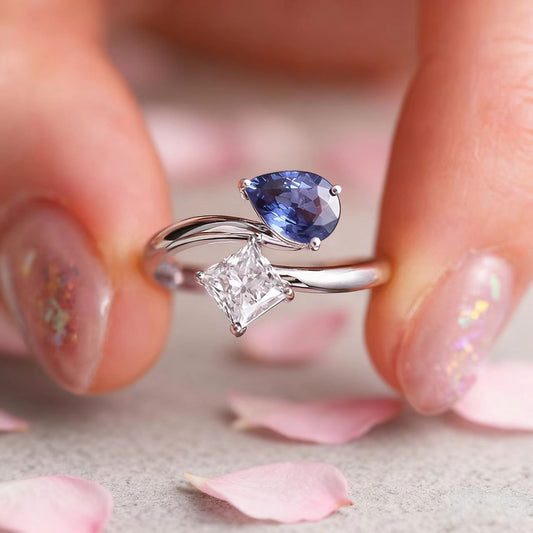
Set a deep blue sapphire into 14K yellow gold and the contrast is electric. Not just a ring. A mood.
Yellow gold pairs beautifully with blue sapphires, emeralds, moissanite, and champagne-tone diamonds. It is forgiving for daily wear, developing a natural patina rather than looking damaged.

White Gold Engagement Rings: A Modern Alternative
White gold offers a bright, silvery appearance without the cost of platinum. Created by alloying gold with white metals and finished with rhodium plating, it delivers clean brilliance and modern minimalism.
White gold pairs especially well with lab-created sapphires and moissanite, enhancing sparkle and crisp contrast.

Rose Gold Engagement Rings: Romantic and Contemporary
Rose gold has surged in popularity for good reason. Its soft blush tone feels romantic, flatters every skin tone, and balances vintage charm with modern design.
It pairs beautifully with morganite, champagne stones, and pastel or peach-toned sapphires.

10K vs 14K vs 18K Gold: Durability vs Appearance
- 10K Gold — Most durable, lower gold content, budget-friendly
- 14K Gold — Ideal balance of durability and rich color
- 18K Gold — Higher purity, deeper color, slightly softer, premium feel
Here’s where most modern couples land.
14K gold offers a sophisticated, subtle hue that doesn’t look overly “brassy,” making it the perfect match for contemporary wardrobes. It is strong enough for everyday wear, rich enough to feel luxurious, and timeless enough to never look dated.
Why not 24K gold? Pure gold is too soft for gemstone settings. It bends easily and cannot securely hold stones. That is why 24K gold is not recommended for engagement rings.
Gold Engagement Rings with Gemstones: Beyond Diamonds
For decades, diamonds dominated engagement ring culture. But modern couples are choosing personality over tradition — and color over convention.
Why Colored Gemstones Are Trending
Colored gemstone engagement rings feel personal. Expressive. Distinct. They avoid the mass-produced look and offer stronger individuality — often with better value.
Social media has pushed blue sapphire rings, teal sapphires, and soft pastel stones into the mainstream. Unique is the new luxury.
Blue Sapphire Engagement Rings: Meaning, Beauty, and Uniqueness
Blue sapphires symbolize loyalty, wisdom, and sincerity — natural traits for engagement rings.
On the Mohs scale, sapphire ranks 9, second only to diamond. That means real durability for real life.
But modern couples are drawn to something more than classic blue. Many sapphires display teal shades or subtle color-shifting effects — flashes of blue, green, or ocean-deep tones depending on lighting.
No two look exactly the same. That uniqueness is the point.
Blue Sapphire vs Diamond
| Feature | Blue Sapphire | Diamond |
|---|---|---|
| Hardness | 9 | 10 |
| Color Options | Classic blue, teal, shifting tones | Mostly colorless |
| Personality | Distinct and expressive | Traditional |
| Price | More accessible | Higher |
| Popularity | Rapidly growing | Traditional standard |
Blue sapphire engagement rings offer diamond-level longevity — with far more individuality.
Lab-Created Blue Sapphire: A Smarter Modern Choice
Lab-created sapphires are chemically and physically identical to mined sapphires. The only difference is origin.
- Perfect color consistency
- Fewer inclusions
- No mining impact
- Transparent pricing
- Larger stone for the same budget
For ethical-minded buyers, lab-created sapphire engagement rings represent intelligent luxury — not compromise.
Ethical Engagement Rings: Why Values Matter More Than Ever
Luxury has changed. True luxury today means beauty without hidden harm.
Traditional mining can involve land disruption, water contamination, unsafe labor conditions, and opaque supply chains. Modern couples increasingly reject that legacy model.
Lab-created stones eliminate these risks while delivering identical brilliance. Choosing a ring that aligns with your values adds meaning beyond sparkle.
Picture wearing a vivid teal-blue sapphire ring, knowing it was grown without harming land or communities. The beauty is visible. The confidence is felt.
Silver and S925 Rings: Fashion-Forward Alternatives
Gold is heritage. Silver is style.
S925 sterling silver rings have become popular as travel-friendly or fashion-forward alternatives. They are lightweight, modern, and ideal for trend-driven designs or secondary rings.
However, when it comes to heirloom engagement jewelry meant to last a lifetime, gold remains the superior foundation metal.
Gold Band Engagement Rings: Simple and Timeless
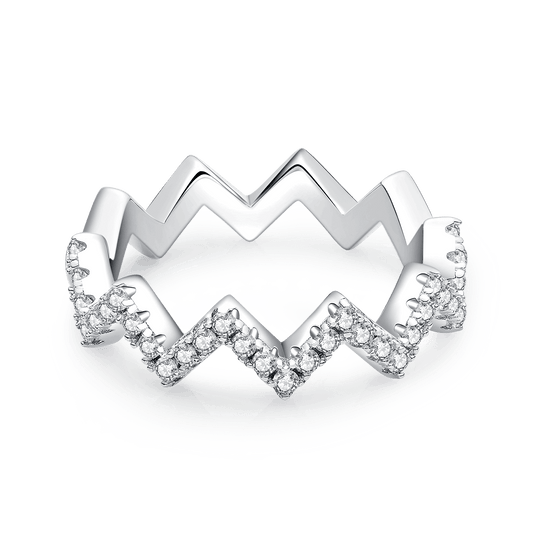
Not every engagement ring needs a center stone. Gold band engagement rings focus on clean lines, sculptural form, and everyday comfort.
Many modern designs pair slim gold bands with sapphire accents — merging heritage gold with contemporary personality.
How to Choose the Right Gold Engagement Ring
Choosing Gold Based on Skin Tone
- Warm skin tones → Yellow or rose gold
- Cool skin tones → White gold
- Neutral tones → Any gold color works
Choosing Based on Lifestyle
- Active hands → 14K gold + sapphire
- Low maintenance → White gold
- Statement style → 18K gold + colored gemstone
Budget Without Sacrificing Quality
Focus your budget on craftsmanship, durable settings, and lab-created stones — not brand markups.
Why Choose Bocos Jewelry
At Bocos, we specialize in lab-created sapphire engagement rings designed for brilliance, durability, and ethical peace of mind.
- Secure stone mounting
- Comfortable fit
- Long-term durability
- Ethical materials
- Transparent pricing
- Modern design
No brand tax. No hidden compromises.
Final Thoughts
Gold engagement rings will always symbolize commitment. But modern love deserves modern choices.
Gold for heritage. Sapphires for individuality. Lab-creation for ethics. Smart pricing for freedom.
Luxury is no longer about how much you spend. It is about how wisely you choose.
The smartest engagement ring is the one you are proud to wear — in every sense of the word.