Does 925 Mean Sterling Silver? Everything You Need to Know
huangzupengIf you’ve ever noticed a small “925” stamp inside a ring or necklace, you may have wondered what it actually means. Is 925 real silver? Does it always indicate sterling silver? And how does it compare to other types of silver jewelry?
The short answer is yes—925 does mean sterling silver. But the full story is more nuanced. Understanding what 925 silver really represents can help you make smarter decisions when buying fine or everyday jewelry.
This guide explains exactly what 925 means, why sterling silver is made the way it is, how to identify genuine pieces, and what to expect in terms of durability, value, and long-term wear.
What Does 925 Mean on Jewelry?
The number 925 refers to the metal purity of the jewelry.
Specifically, 925 means the piece is made of:
- 92.5% pure silver
- 7.5% alloy metals (most commonly copper)
This composition is internationally recognized as sterling silver. The added alloy improves strength and durability while preserving silver’s natural brightness.
You may see different markings, including 925, S925, or STER. All indicate sterling silver.

Why Isn’t Pure Silver Used in Jewelry?
Pure silver (99.9%) is beautiful, but it is also extremely soft.
Without alloy metals, pure silver jewelry would:
- Bend out of shape easily
- Scratch with minimal contact
- Fail to securely hold gemstones
Sterling silver was developed to solve these issues. The 7.5% alloy content dramatically improves strength while maintaining the look and feel people expect from real silver.
Is 925 Sterling Silver Real Silver?
Yes. 925 sterling silver is real silver, not imitation or costume metal.
However, it is important to distinguish sterling silver from:
- Silver-plated jewelry (thin silver coating over base metal)
- Nickel-based alloys
- Stainless steel or chrome-finished metals
Unlike plated jewelry, sterling silver is solid throughout. The silver content is not limited to the surface.
Does 925 Silver Tarnish?
Yes—sterling silver can tarnish over time. This is normal and does not mean the jewelry is low quality.
Tarnish forms when the alloy metals react with air, moisture, or sulfur compounds. Common contributors include:
- Humidity
- Skin chemistry
- Perfumes and lotions
- Long periods of unworn storage
Tarnish is surface-level and reversible. With proper care or gentle polishing, sterling silver can regain its original luster.
925 Sterling Silver vs Other Types of Silver
925 Sterling Silver vs Fine Silver (999)
Fine silver contains 99.9% silver and has a brighter appearance, but it is significantly softer. It is rarely used for rings or gemstone jewelry intended for daily wear.
925 Sterling Silver vs Silver-Plated Jewelry
Silver-plated jewelry has only a thin silver layer over a base metal. Over time, that layer wears away. Sterling silver remains silver throughout its lifetime.
925 Sterling Silver vs White Gold
White gold is an alloy of gold mixed with white metals and typically finished with rhodium plating. Sterling silver offers a similar cool-white look at a much more accessible price point.
How to Tell If 925 Silver Is Genuine
While the 925 stamp is the clearest indicator, additional signs of genuine sterling silver include:
- A solid, balanced weight in hand
- Non-magnetic behavior
- A soft, warm sheen rather than a mirror-like chrome shine

Is 925 Sterling Silver Good for Everyday Jewelry?
Yes. Sterling silver is widely used for everyday jewelry, including:
- Engagement rings
- Wedding bands
- Necklaces and bracelets
- Earrings and stacking rings
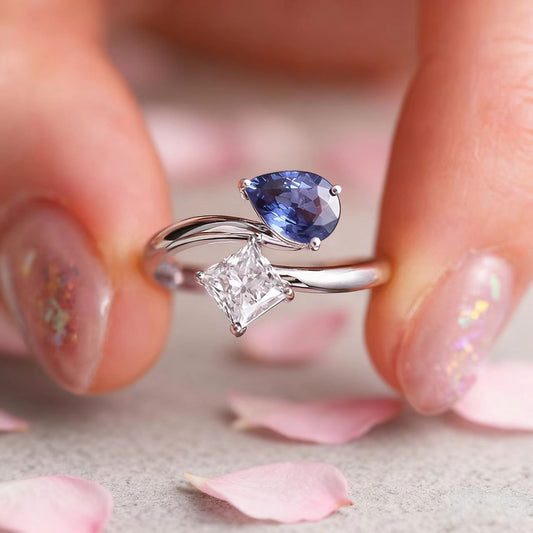
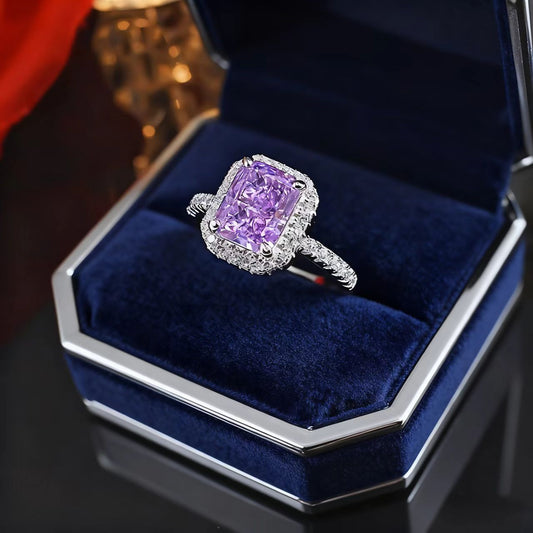
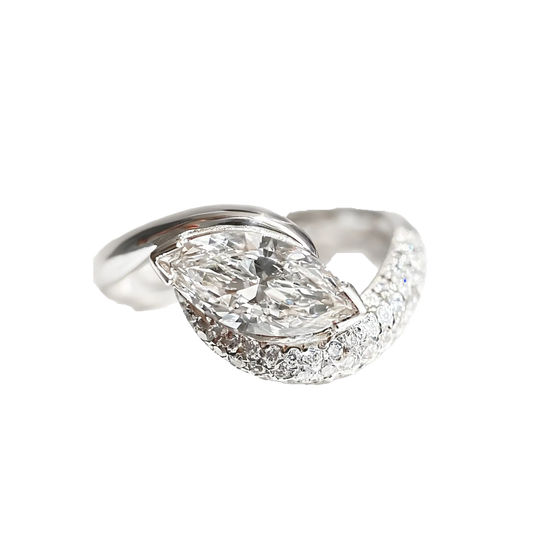
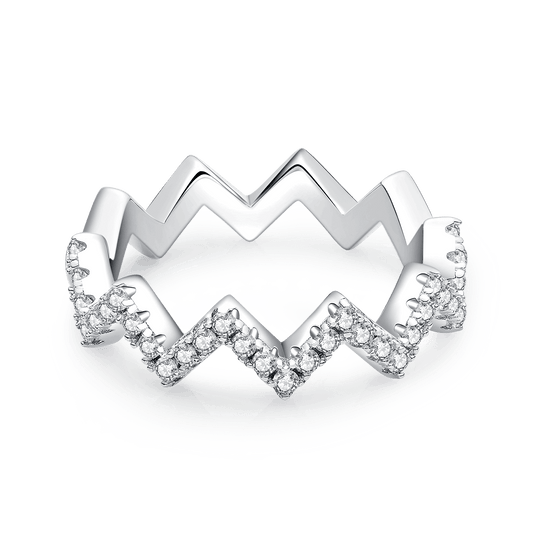
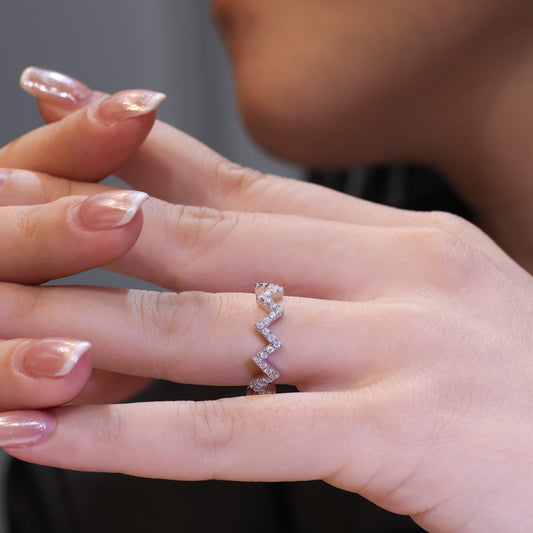
At Bocos Jewelry, we use high-standard S925 sterling silver and apply an additional layer of 18k white gold plating. This enhances surface durability, improves color stability, and provides a refined platinum-like finish while keeping the jewelry accessible.
This approach combines classic material integrity with modern wearability.
Why 925 Sterling Silver Remains Popular Today
Sterling silver continues to be a preferred choice because it offers:
- Authentic precious metal value
- A clean, neutral appearance
- Excellent compatibility with detailed designs and gemstone settings
- A strong balance between quality and affordability
For those seeking meaningful, well-crafted jewelry without unnecessary markup, sterling silver remains a practical and trusted option.
Final Thoughts: What 925 Really Means
So, does 925 mean sterling silver?
Yes—without exception.
A 925 stamp confirms that a piece is made from genuine sterling silver, designed to balance beauty, durability, and long-term wear.
Now that you understand what 925 silver really means, you may want to see how this classic material is interpreted through modern design.
Curious how high-quality 925 sterling silver with 18k white gold plating looks in person? Explore our latest collections to see how timeless materials and contemporary craftsmanship come together.