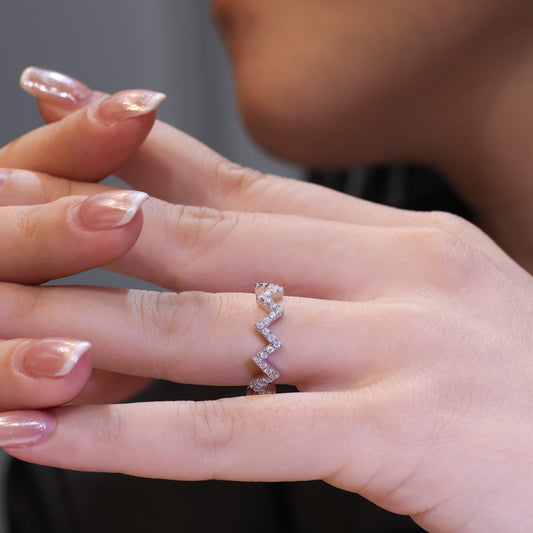
What Is the 2:1:1 Rule for Jewelry? (A Stylist’s Secret to Looking Polished, Not Overdone)
huangzupengHave you ever put on your favorite necklace, added a few rings, maybe some earrings—and still felt like something was off?
The pieces themselves are beautiful. But together, the look feels busy. Your eye doesn’t know where to land.
This is exactly the problem the 2:1:1 rule for jewelry is designed to solve. It’s not a hard fashion law, and it’s definitely not about owning more jewelry. It’s a visual balance framework that stylists use to make layered looks feel intentional instead of cluttered.
Once you understand it, you’ll stop second-guessing your mirror—and start getting dressed faster.
The Core Idea Behind the 2:1:1 Rule
The 2:1:1 rule isn’t about counting individual items. It’s about visual weight—how bold, noticeable, or dominant a piece appears when worn.
Think of your jewelry like a well-cast film:
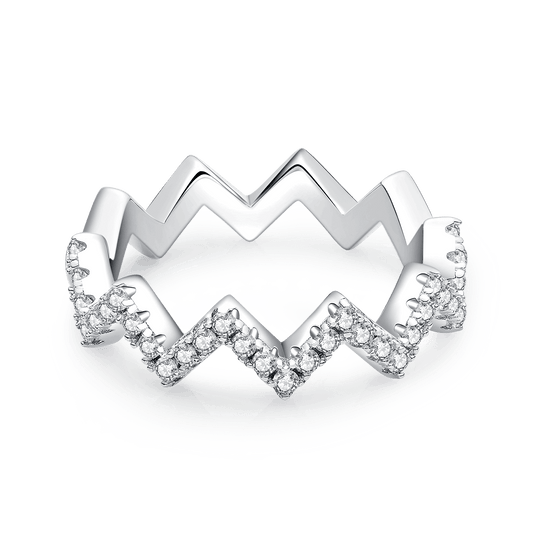
- 2 Supporting Pieces (Subtle): Lightweight, low-contrast jewelry that adds polish without drawing attention. Think thin chains, tiny studs, slim stacking bands.
- 1 Bridge Piece (Medium): A connector with a bit more presence—textured hoops, a signet ring, a pearl pendant. It visually links subtle pieces to the statement.
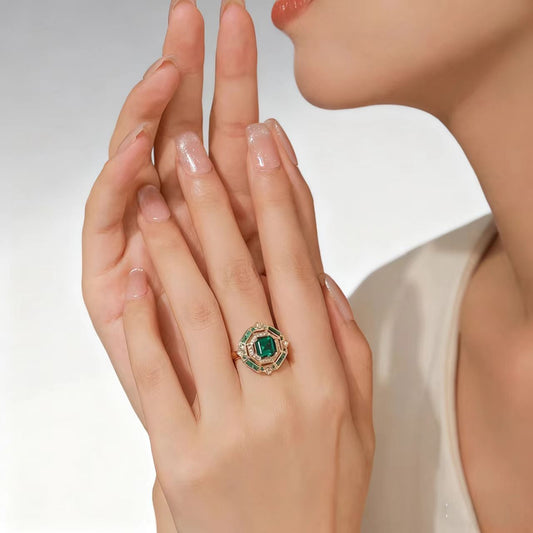
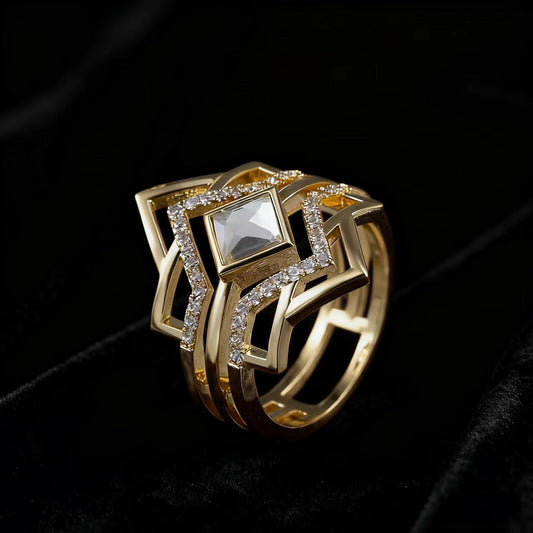
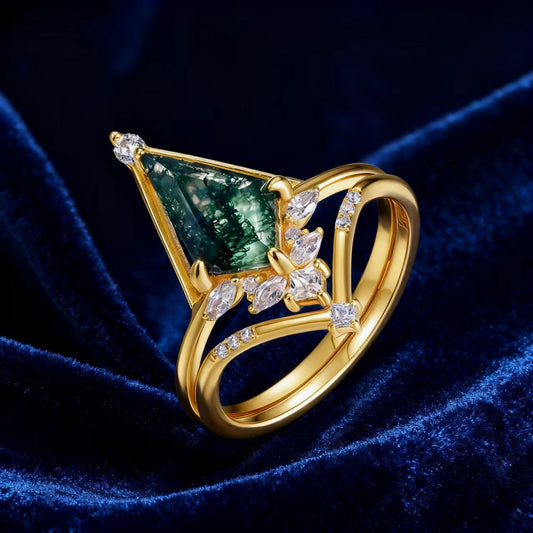
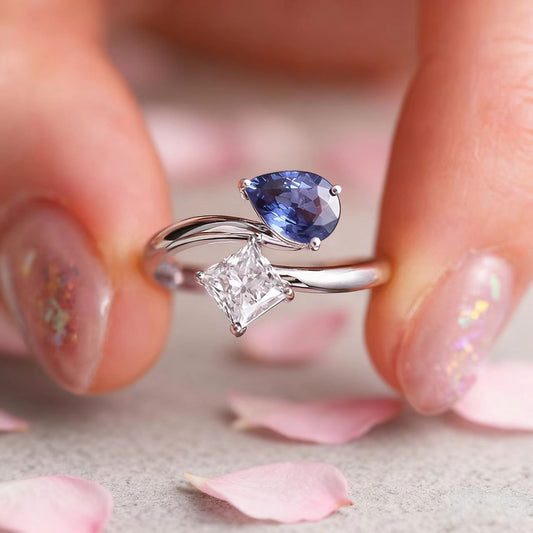
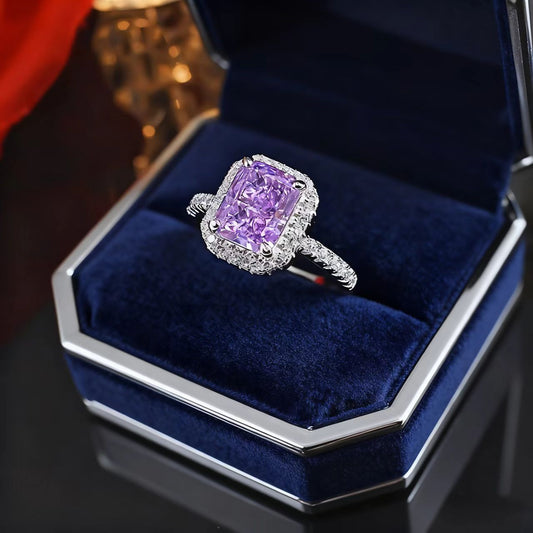
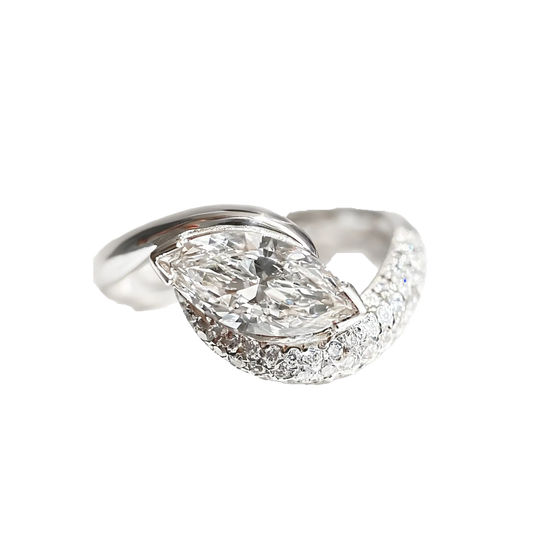
- 1 Star Piece (Statement): The focal point. A chunky chain, bold gemstone ring, sculptural earrings. This is where the eye naturally lands.
The goal: one clear focal point, supported by quieter elements. You look styled—not accidental.
Why Jewelry Looks “Messy” Without a Framework
The most common mistake is wearing too many statement pieces at once.
Large chandelier earrings paired with a chunky necklace and multiple oversized rings don’t look luxurious—they compete. When everything is loud, nothing stands out.
The 2:1:1 rule forces a decision: which piece is the star? Once that’s clear, everything else falls into place.
Stylist insight: If your necklace is the statement, your earrings should almost disappear. If your earrings are bold, keep the neckline calm.
How to Apply the 2:1:1 Rule in Real Life
1. Layered Necklaces (The “Neck-Mess” Done Right)
Layering necklaces works best when there’s structure:
- 2 subtle chains: thin, simple, close to the neck
- 1 medium piece: a small pendant or textured chain
- 1 statement anchor: a chunky paperclip or bold centerpiece
This combination feels rich and intentional—never tangled or excessive.
2. Ring Styling Without Overdoing It
Instead of piling rings randomly, spread the visual weight:
- 2 minimalist bands (stacked or on different fingers)
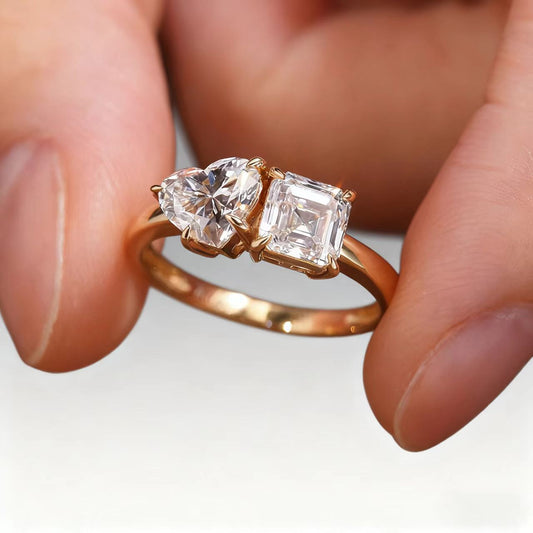
- 1 medium ring with texture or a small stone
- 1 statement ring on the index or middle finger
The result is balanced and confident, not chaotic.
3. Bracelets, Watches, and Negative Space
Visual space matters just as much as jewelry.
If you’re wearing a bold watch, treat it as the statement piece. Add one or two delicate chains on the other wrist—or nothing at all.
Let your pieces breathe.
Can You Mix Metals with the 2:1:1 Rule?
Yes—and the rule actually makes it easier.
Use your two subtle pieces in a consistent base metal (for example, yellow gold). Then introduce silver or mixed metal through the bridge or statement piece.
This approach looks intentional, modern, and styled—never like a mismatch.
2:1:1 Rule Quick Reference
| Role | Examples | Visual Effect |
|---|---|---|
| 2 Subtle | Thin chains, huggies, stacking bands | Soft foundation |
| 1 Medium | Textured hoops, pearls, signet rings | Visual connector |
| 1 Statement | Chunky chains, bold gemstones, cuffs | Clear focal point |
When It’s Okay to Break the Rule
Some days, you only want one bold piece and nothing else. That’s not wrong—it’s just a different formula.
Think of it as 0:0:1: one statement, zero distractions.
But when you want to look polished for work, events, or everyday wear, the 2:1:1 rule is a reliable default. It removes guesswork and prevents over-accessorizing.
Final Thoughts
Great jewelry styling isn’t about wearing more. It’s about clarity.
By choosing two supporters, one bridge, and one star, you guide the eye—and elevate even simple outfits.
Next time something feels “off,” don’t add another piece. Step back, identify the star, and rebalance the rest.
Chances are, you just had too many stars on one stage.