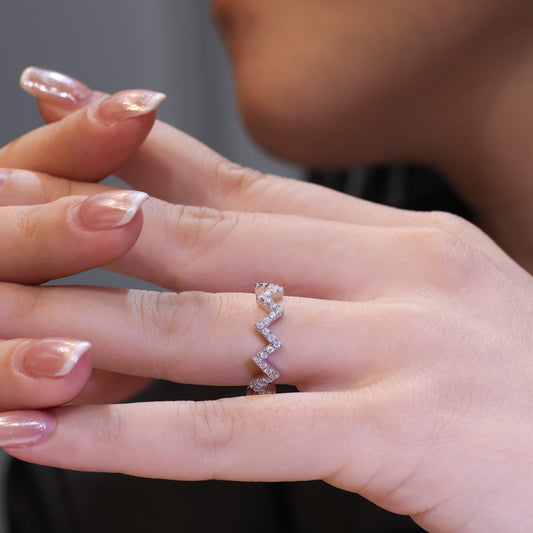
What Does “925” Stamped on Jewelry Mean? A Complete Guide
huangzupengIf you’ve ever examined a ring, necklace, or bracelet closely, you may have noticed a small “925” stamp hidden on the inside band or clasp. This tiny mark raises a common and important question for buyers: What does 925 stamped on jewelry mean, and does it indicate real quality silver?
The short answer is yes, but the full explanation is more nuanced. In this complete guide, we’ll break down exactly what the 925 stamp represents, how it affects durability, why it exists as a global standard, and why the finishing of that silver is what truly separates fine jewelry from the rest.
What Does 925 Stamped on Jewelry Mean?
When you see “925” stamped on jewelry, it means the piece is made of sterling silver. Specifically, it contains:
- 92.5% pure silver
- 7.5% alloy metals (usually copper for added strength)
Pure silver (99.9%) is naturally too soft for everyday wear. By blending in a small percentage of strengthening metals, jewelers create an alloy that can hold gemstones securely, resist deformation, and maintain its shape while preserving silver’s iconic white luster.

Why Is It Called Sterling Silver?
The term sterling silver refers to silver alloys that meet the internationally recognized 92.5% purity standard. Any silver jewelry below this threshold cannot legally be described as sterling.
This standard has endured for centuries because it offers the ideal balance between beauty and practicality. Sterling silver is strong enough for rings, clasps, and stone settings, yet still retains the intrinsic value and visual appeal of real silver.
Is 925 Silver Considered “Real” Silver?
Yes. 925 stamped jewelry is genuine precious metal. It is not silver-plated base metal, not imitation alloy, and not costume jewelry.
When a piece is hallmarked “925,” it legally indicates that the entire item is made of solid sterling silver throughout, not just coated on the surface. This distinction is crucial when comparing true fine jewelry to low-cost plated alternatives.
Why Isn’t Pure Silver (999) Used for Most Jewelry?
Although higher purity may sound better, pure silver is impractical for daily wear. It bends easily, scratches quickly, and cannot securely support gemstones or intricate settings.
Sterling silver solves this problem by offering:
- Improved hardness and structural integrity
- Greater resistance to bending and warping
- Long-term durability for everyday jewelry
That’s why engagement rings, statement rings, and fine silver designs almost always use 925 silver rather than 999.
Where Is the 925 Stamp Usually Located?
The placement of the 925 stamp varies by jewelry type:
- Rings: Inside the band
- Necklaces: Near the clasp or tag
- Bracelets: On the clasp or inner link
- Earrings: On the post or backing
Because space is limited, the stamp is often subtle, but it should be legible upon close inspection.
Why Does Some 925 Silver Tarnish?
Tarnishing is a natural chemical reaction that occurs when silver is exposed to sulfur, moisture, skin oils, or everyday environmental elements. Crucially, tarnish is not a sign of low quality; in fact, it is proof that the silver is real.
That said, modern fine jewelry brands take additional steps to improve longevity and appearance. At Bocosjewelry, we go beyond the basic standard by finishing our S925 sterling silver with a thick layer of 18K White Gold plating. This provides:
- A brighter, mirror-like white finish
- A significant reduction in natural tarnishing
- The refined look of white gold at a more accessible price
Does a 925 Stamp Guarantee Quality?
A 925 stamp confirms silver purity, but it does not automatically guarantee overall craftsmanship quality.
Two pieces can both be stamped 925 yet differ greatly in:
- Metal thickness and weight
- Polishing and surface finish
- Stone-setting precision
- Protective plating and long-term wear resistance
In short, 925 tells you what the metal is. The finish tells you how well the jewelry is made.
How to Tell If a 925 Stamp Is Genuine
While the stamp itself is an important indicator, additional checks help confirm authenticity:
- The Magnet Test: Genuine sterling silver is non-magnetic.
- Weight and Feel: Real silver has noticeable heft compared to plated or hollow pieces.
- Surface Aging: Authentic silver develops a natural patina rather than peeling or flaking.
- Craftsmanship: Clean edges, smooth polishing, and secure settings indicate quality manufacturing.
- Reputable Sellers: Trustworthy brands provide clear material descriptions and guarantees.
-

925 Silver vs. Other Common Jewelry Metals
| Metal Type | Pros | Value |
|---|---|---|
| Premium S925 (18K Plated) | Anti-tarnish, luxury finish, hypoallergenic. | ⭐⭐⭐⭐⭐ |
| Standard 925 Silver | Real precious metal, affordable. | ⭐⭐⭐⭐ |
| Silver-Plated Brass | Very cheap, plating wears off quickly. | ⭐ |
Is 925 Silver Good for Everyday Jewelry?
Yes. Sterling silver is one of the most practical materials for daily wear when properly finished.
It offers a comfortable weight, skin-friendly wear, excellent durability, and outstanding value compared to white gold or platinum. For many buyers, 925 silver represents the ideal balance between affordability and long-term quality.
Final Thoughts: Is 925 Worth Buying?
Absolutely. 925 sterling silver is a proven standard that has endured for generations. When combined with high-quality finishing and thoughtful craftsmanship, it delivers both beauty and reliability.
Understanding what a 925 stamp truly means allows you to shop with confidence, compare materials intelligently, and avoid misleading “silver-look” alternatives.
Ready to find your next favorite piece?
Explore our Signature S925 Sterling Silver Collection →