Most Durable Gemstones for 2026: Understanding Hardness, Toughness, and Stability Before You Buy
huangzupengWhen buying fine jewelry, most people focus on sparkle, color, and size. But in 2026, smart buyers are asking a more important question: Which gemstones are truly durable enough for everyday wear?
A gemstone’s beauty means little if it chips, scratches, or loses its polish after a few months. Whether you're choosing an engagement ring, wedding band, or daily-wear pendant, durability determines how well your gemstone will look five, ten, or twenty years from now.
To choose wisely, you must understand three key factors: hardness, toughness, and stability. This guide explains how these properties affect real-world wear — and reveals which gemstones are the most durable choices for modern jewelry buyers.
What Makes a Gemstone Durable?
Many sellers loosely claim a gemstone is “durable,” but in gemology, durability has a precise definition. It is the combined performance of:
- Hardness — resistance to scratching
- Toughness — resistance to chipping or breaking
- Stability — resistance to heat, chemicals, and environmental change
A truly durable gemstone performs well in all three categories. Weakness in even one area can shorten the lifespan of jewelry.
Hardness: The Mohs Scale Explained
Hardness measures how well a gemstone resists scratches. The industry standard is the Mohs Hardness Scale, ranking minerals from 1 to 10.
| Mohs Rating | Gemstone Examples | Wear Suitability |
|---|---|---|
| 10 | Diamond | Excellent daily wear |
| 9 | Sapphire, Ruby | Excellent daily wear |
| 8 | Topaz, Spinel | Good daily wear |
| 7 | Quartz (Amethyst, Citrine) | Occasional wear |
| Below 7 | Opal, Turquoise, Pearl | Special occasion only |
For rings — especially engagement or wedding rings — gemologists recommend Mohs 8 or higher.
Scratching is cumulative. Even a small loss of polish can dull brilliance over time.
Toughness: Resistance to Chipping and Cracking
Hardness alone doesn’t tell the full story. Some gemstones are hard but brittle.
Toughness describes how well a gemstone resists:
- Impact
- Accidental knocks
- Internal fractures
For example:
- Diamond is extremely hard but can chip along cleavage planes.
- Jade is lower on the Mohs scale but exceptionally tough.
For everyday jewelry, a gemstone must balance high hardness and good toughness.
Stability: How Gemstones React to Daily Life
Stability refers to how a gemstone responds to:
- Heat
- Household chemicals
- Cosmetics and perfumes
- UV light
- Moisture
Some gemstones fade in sunlight. Others crack with sudden temperature change. High stability ensures the gemstone retains color and structure long-term.
The Most Durable Gemstones for 2026
Based on modern wear expectations and setting technology, these gemstones lead durability rankings in 2026.
Diamond

- Mohs Hardness: 10
- Toughness: Good
- Stability: Excellent
Diamond remains the benchmark for durability. It resists scratching better than any other gemstone. With proper setting, it easily withstands daily wear.
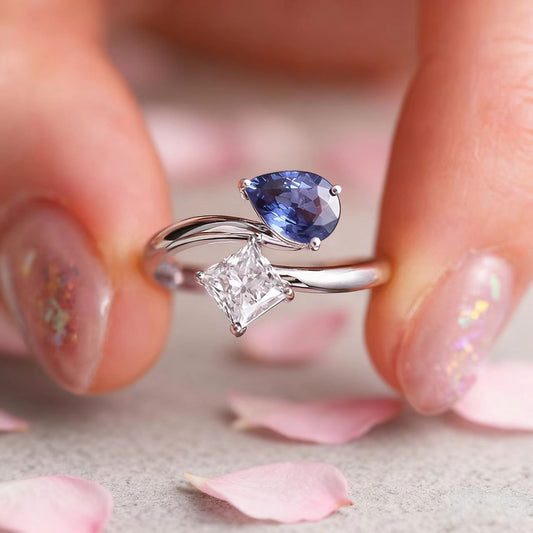
Sapphire and Ruby (Corundum Family)

- Mohs Hardness: 9
- Toughness: Excellent
- Stability: Excellent
Sapphires and rubies offer near-diamond durability with a wider color range. Their dense crystal structure makes them highly resistant to chipping and chemicals.
Moissanite

- Mohs Hardness: 9.25
- Toughness: Excellent
- Stability: Excellent
Moissanite has emerged as a top choice for engagement rings in 2026. It rivals diamond in hardness, has superior toughness, and withstands heat and daily wear exceptionally well.
Spinel

- Mohs Hardness: 8
- Toughness: Very good
- Stability: Excellent
Often overlooked, spinel offers strong durability and vibrant color. It has no cleavage planes, reducing chipping risk.
Topaz

- Mohs Hardness: 8
- Toughness: Fair
- Stability: Good
Topaz resists scratching but can chip if struck sharply. Protective settings are recommended.
Gemstones That Require Extra Care
| Gemstone | Weakness | Recommendation |
|---|---|---|
| Emerald | Internal fractures | Occasional wear |
| Opal | Soft & water-sensitive | Special occasion only |
| Pearl | Very soft | Avoid daily wear |
| Turquoise | Porous | Avoid water exposure |
These stones remain stunning — but require mindful wear and protective settings.
Lab-Created vs Natural: Does Durability Differ?
A key trend for 2026 is the rise of lab-created gemstones. From a durability standpoint:
Lab-created gemstones have identical hardness, toughness, and stability as natural stones.
The crystal structure is the same. The only difference is origin — not performance.
This makes lab-created diamonds, moissanite, sapphire, emerald, and spinel excellent choices for buyers seeking:
- Higher durability at lower cost
- Ethical sourcing
- Consistent gemstone quality
How Setting Style Affects Durability
Even the toughest gemstone needs proper protection.
Durable settings include:
- Bezel settings
- Halo settings
- Low-profile prong designs
- Reinforced prongs
Risky settings include:
- High cathedral mounts
- Exposed corners
- Minimal prong designs
A good jeweler pairs gemstone choice with setting engineering — ensuring real-world longevity.
How to Choose the Right Durable Gemstone
Before buying, ask:
- What is the Mohs hardness?
- Does the stone have cleavage planes?
- Is it treated or fracture-filled?
- Will I wear this daily?
- What setting design protects it best?
Smart buyers match gemstone durability to lifestyle.
Why Durability Matters More Than Ever in 2026
Modern consumers wear jewelry daily — not just on special occasions. Engagement rings, wedding bands, and signature pieces are now lifestyle accessories.
Choosing a durable gemstone:
- Preserves beauty long-term
- Reduces maintenance costs
- Protects sentimental value
- Prevents early replacement
Durability is no longer optional — it’s essential.
Final Thoughts: Buy Beauty That Lasts
Sparkle catches attention. Durability keeps it for life.
Understanding hardness, toughness, and stability empowers you to choose gemstones that stay brilliant through years of wear.
Explore Our Lab-Created Gemstone Collection
If you're seeking durable, ethical, and beautifully crafted gemstones, explore our lab-created gemstone collection — featuring moissanite, sapphire, spinel, and diamond designs engineered for everyday wear and lasting brilliance.