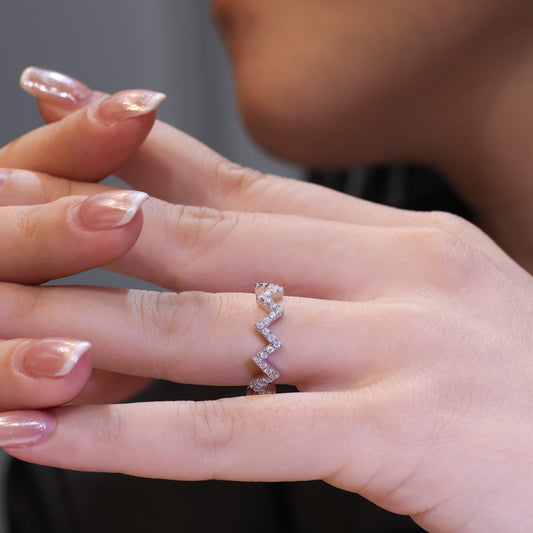
Lab Created Stones vs. Mined: Why Smart Couples are Saving 40% on Engagement Rings in 2026
huangzupengEvery engaged couple today faces a million questions — ring style, setting, gemstone, metal, and of course… cost. One trend that’s reshaping engagement ring shopping in 2026 is this question:
Why spend more when you can get equal or better sparkle, durability, and ethical sourcing for significantly less?
Many couples are turning to lab created stones — not because they are “second-best,” but because these stones deliver real value, ethical transparency, and superior optical performance at up to 40% savings compared to traditionally mined stones.
This shift isn’t a fad. It’s backed by technology, consumer ethics, and a practical understanding of jewelry quality that goes beyond marketing labels.
In this guide, we’ll explore:
- The real differences between lab created stones and mined stones
- How these differences impact cost, quality, and performance
- Why smart couples are choosing lab created engagement rings
- What to look for when evaluating stones for longevity and brilliance
Let’s dive in.
What Are Lab Created Stones?
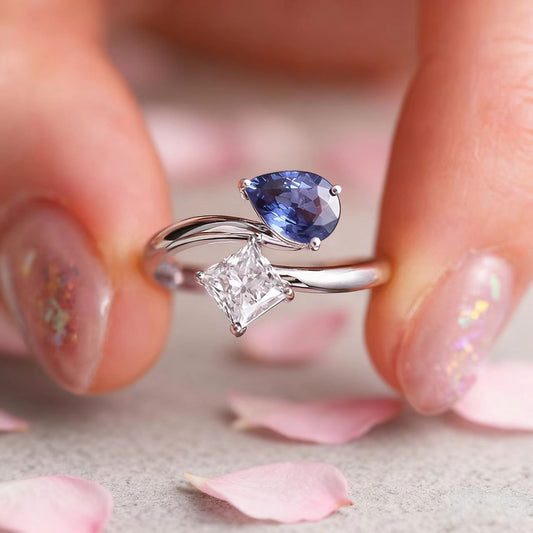
Lab created stones are genuine gemstones grown in controlled laboratory environments that mimic nature’s processes. They are not simulants like glass or cubic zirconia; they are actual crystals with the same chemical, physical, and optical structures as their natural counterparts.
Common lab created stones used in engagement rings today include:
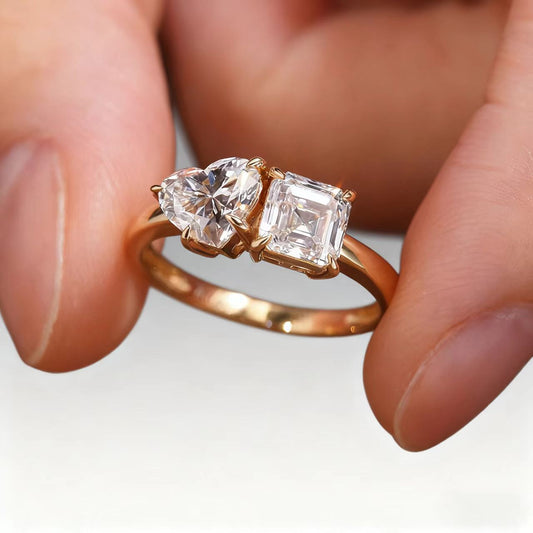
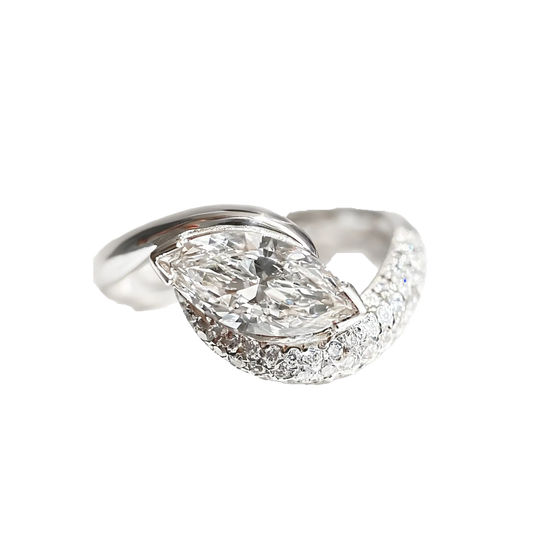
- Lab created diamonds
- Moissanite
- Lab grown sapphires and rubies
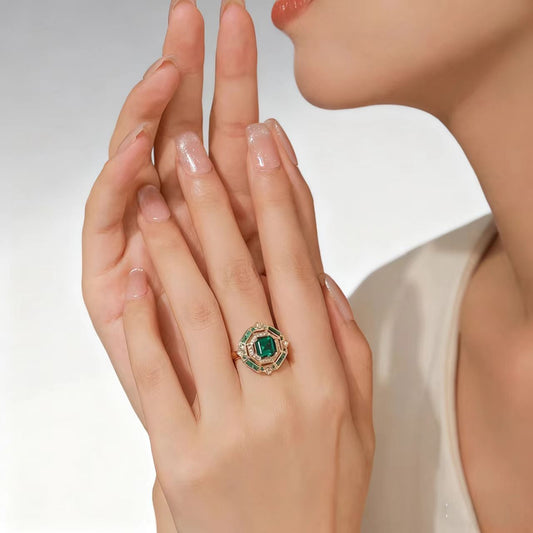
- Lab created emeralds
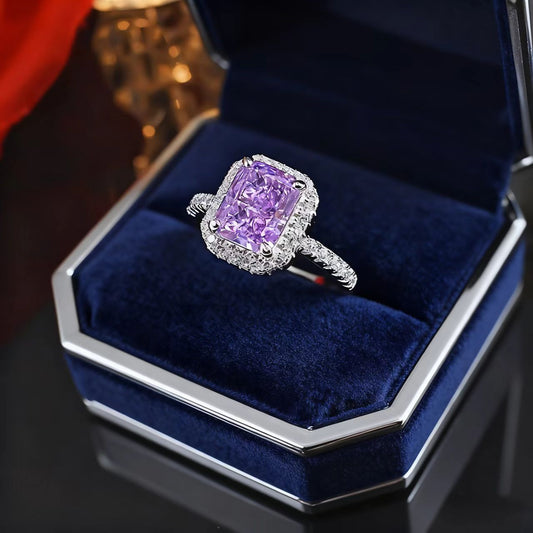
- Spinel and other colored lab gems
These stones are real — not artificial imitations.
The Misconception: “If It’s Not Mined, It’s Inferior”
For many years, the jewelry industry pushed the narrative that natural, mined stones are inherently superior. That line worked well for branding — especially where price tags reflected prestige more than performance.
But the truth is:
- Lab created stones have identical crystal structures to mined stones
- They can be cut with extreme precision, often exceeding natural counterparts in symmetry
- They are certifiable (GIA, AGS, IGI)
- Many are more consistent due to controlled growth conditions
In other words: the origin of a stone does not determine its physical performance.
Why Are Lab Created Stones More Affordable?
The price difference — often around 40% or more — comes from several market realities:
1. Supply Chain Efficiency
Lab stones bypass the deep supply chain of mining, cutting, and global distribution. There is no excavation cost, geopolitical risk, or artisanal mine markup.
2. Lower Overhead
Building gemstones in labs is capital-intensive, but consistent. Once production scales, the cost per carat stabilizes and becomes predictable.
3. No “Luxury Brand” Add-Ons
Traditional mined diamonds suffer from decades of brand premiuming. Lab created stones are largely sold through direct channels, not mall boutiques with high rent and marketing overhead.
4. Fewer Defects
Lab environments can produce stones with fewer internal flaws, meaning higher yields of saleable gems per batch.
Real Cost Comparison: Lab Created vs. Mined Stones
Here’s a practical snapshot of how pricing trends compare in 2026:
| Stone Type | Mined Price (Typical) | Lab Created / Alternative Price | Savings |
|---|---|---|---|
| 1 ct Diamond (natural) | $4,000–$7,000+ | $800–$1,800 (lab diamond) | ~60%+ |
| 1 ct Moissanite (lab) | N/A | $300–$900 | N/A |
| 1 ct Lab Sapphire | $1,000+ | $300–$600 | ~50%+ |
| 1 ct Lab Emerald | $2,500+ | $600–$1,500 | ~60%+ |
Prices vary by cut, color, and clarity; this table reflects general market trends.
These numbers illustrate why smart couples can save an average of 40% or more without sacrificing beauty or durability.
Optical Performance: Brilliance, Fire, and Sparkle
One of the biggest misconceptions is that mined stones “sparkle more” than lab created ones. In reality, sparkle is defined by:
- Refractive Index (RI) — how much light bends
- Dispersion (fire) — separation of light into colors
- Clarity and cut precision
Moissanite, a popular lab created engagement stone, actually outperforms diamonds in fire due to a higher RI.
Lab grown diamonds and other lab created stones benefit from precision cutting technologies unavailable to many mined stones emerging from rough formations.
This means lab stones often deliver more consistent performance per carat and may appear more brilliant even at lower price points.
Toughness & Wear: Daily Durability Matters
When choosing an engagement ring, optical beauty alone is not enough. You also want a stone that can withstand:
- Daily wear and tear
- Household chemicals
- Sudden temperature change
- Knocks and impacts
Many lab created stones — especially moissanite and lab grown sapphire — rival or exceed natural stones in durability because their internal structures can be optimized during growth.
Ethical Jewelry: Mining Concerns vs. Lab Transparency
Traditional gemstone mining has long struggled with:
- Conflict sourcing histories
- Environmental degradation
- Large carbon and water footprints
In contrast, lab created stones offer:
- Transparent sourcing
- Traceable production
- Conflict-free origins
- Lower environmental impact
For many couples in 2026, ethics matter just as much as sparkle.
Romantic Symbolism: Does Origin Matter Emotionally?
Engagement rings are symbols of shared values, not gemstone origin. Today’s couples choose stones reflecting:
- Sustainability
- Personal meaning
- Practical wisdom
- Modern design identity
Choosing a lab created stone signals transparency, intelligence, and conscious spending — not compromise.
How to Evaluate Lab Created Stones Before You Buy
Certification Matters
Always check reputable grading such as GIA, IGI, or AGS to verify cut, color, clarity, and carat weight.
Understand the Cut
Cut quality determines brilliance more than origin.
Compare Under Real Light
Viewing lab and mined stones side by side often reveals equal or superior sparkle in lab created stones.
Ask About Treatments
Understand whether enhancements exist and if they are stable for daily wear.
Long-Term Value: Sentimental Worth Over Resale
Engagement rings are rarely bought for resale. Smart couples look for stones that remain beautiful for decades, hold sentimental meaning, and perform reliably over time.
Lab created stones deliver emotional value without inflated legacy pricing.
Conclusion: The Clear Choice for Smart Couples in 2026
In 2026, the engagement ring market has evolved beyond tradition and luxury branding.
Lab created stones offer:
- Comparable or superior optical performance
- Ethical sourcing
- Significant cost savings
- Durable everyday wear
Choosing a stone today is about value, performance, and meaning — not arbitrary price tags.
Smart couples aren’t just buying a ring. They’re investing in clarity, ethics, and lifelong brilliance.
Explore More
Explore our curated engagement ring collection featuring lab created stones designed for lasting beauty, ethical transparency, and real sparkle-to-price value.