Emerald Gemstone Guide: Meaning, Quality, and How to Choose the Best One
huangzupengEmerald gemstones have fascinated people for thousands of years, standing out in the gemstone world for their rich green color and unmistakable character. Unlike many other stones, an emerald gemstone immediately conveys depth, individuality, and emotional value.
However, modern buyers are no longer satisfied with romantic descriptions alone. Questions about quality, durability, price, and whether lab-created options are truly worth buying matter far more than ancient legends. This guide focuses on what truly matters when choosing an emerald gemstone today—so you can make a confident, informed decision.
What Is an Emerald Gemstone?
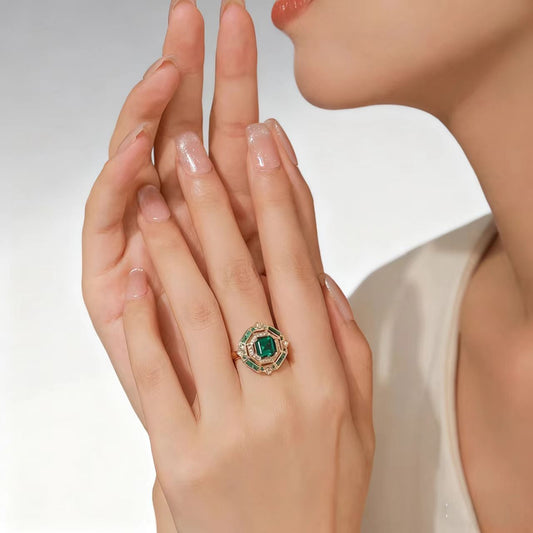
An emerald gemstone is a green variety of the mineral beryl. Its distinctive color comes from trace amounts of chromium or vanadium, and only stones with sufficient color saturation qualify as true emeralds.
If a stone appears overly pale, yellowish, or lacks depth, it may be classified as green beryl rather than an emerald gemstone—an important distinction that directly affects value.
Thanks to modern gemstone lab technology, emerald gemstones are now available in both natural and laboratory-grown forms. These lab created stones share the same chemical and optical properties as natural emeralds, while offering more consistency in color and internal structure.

Emerald Gemstone Meaning: History, Symbolism, and Modern Interpretation
Traditional Symbolism
Historically, the emerald gemstone symbolized renewal, wisdom, and enduring love. Ancient civilizations believed emeralds were connected to nature and rebirth, making them highly desirable for both spiritual and decorative purposes.
Emeralds and Power
Because emerald gemstones were rare and difficult to mine, they became symbols of wealth and authority. Royal families and elites favored them not only for beauty, but for the statement they made.
What Emerald Gemstone Meaning Represents Today
In modern jewelry, emerald gemstone meaning is less about mythology and more about personal expression. Buyers choose emeralds because they feel distinctive, emotional, and timeless—often representing commitment, individuality, and confidence rather than tradition alone.
Emerald Gemstone Quality Explained: What Really Matters When Buying
Understanding emerald gemstone quality is essential, but not all quality factors carry equal weight.
Color: The Most Important Factor
Color is the single most important element of emerald gemstone value. The ideal emerald shows a rich, vivid green with medium to medium-dark tone and even color distribution.
Lab made gemstones are often preferred by buyers who want consistent color, as laboratory conditions allow for precise control over saturation and tone.
Clarity: Why Inclusions Are Expected
Unlike diamonds, inclusions are normal in an emerald gemstone. These natural features—often called “jardin”—are part of what makes each stone unique.
However, inclusions that weaken the structure or reach the surface can affect durability. This is where lab created gem stones often offer an advantage, providing cleaner internal structures while maintaining the classic emerald appearance.
Gemstone Cut: More Than Just Shape
Gemstone cut plays a crucial role in how an emerald gemstone performs visually and structurally. The emerald cut was developed specifically to reduce stress on the stone, helping prevent chipping while enhancing color depth.
A well-executed cut can make an emerald gemstone appear brighter, larger, and more refined—even at a lower carat weight.
Carat Weight vs Visual Presence
Emerald gemstones often appear larger than diamonds of the same carat weight due to lower density. This allows buyers to achieve bold visual impact without paying purely for size.

Emerald Gemstone Durability: Can You Wear It Every Day?
On the Mohs scale, emerald gemstones rank around 7.5–8, meaning they resist scratches reasonably well. However, hardness does not equal toughness.
Because emeralds often contain internal features, they can be more brittle than stones like sapphires. Sharp impacts or poorly designed settings can lead to damage over time.
For this reason, many buyers choose lab made gems for everyday jewelry. These stones typically offer improved structural stability, making them better suited for rings and frequently worn designs.
Natural vs Lab Created Emerald Gemstone: Which One Is Right for You?
Appearance
To the naked eye, high-quality lab created gems are virtually indistinguishable from natural emerald gemstones. Both can display exceptional color and brilliance.
Price and Value
Natural emerald gemstones command higher prices due to rarity. Lab made gemstones provide a more accessible alternative while delivering consistent quality, making them popular among buyers seeking affordable gemstones without compromising appearance.
Ethics and Sustainability
Lab created stones eliminate environmental and ethical concerns associated with mining, an important factor for many modern consumers.
Who Should Choose Natural Emeralds
Collectors and buyers who prioritize geological origin and rarity may prefer natural emerald gemstones.
Who Should Choose Lab Created Emeralds
Lab created emerald gemstones are ideal for engagement rings, daily wear jewelry, and custom designs—especially lab made gemstone rings where durability and consistency are essential.

How to Choose the Best Emerald Gemstone for Your Needs
For Engagement Rings
Durability and stability matter most. Lab made gemstone rings featuring emeralds provide beauty with fewer long-term concerns.
For Daily Wear Jewelry
Choose emerald gemstones with secure settings and minimal surface-reaching inclusions to reduce risk.
For Custom Jewelry Projects
For custom jewelry projects, starting with a carefully selected loose emerald gemstone offers greater creative freedom. Choosing from a curated loose emerald gemstone collection allows you to control color, size, and gemstone cut, ensuring the final design reflects your personal vision rather than a fixed setting.
For Budget-Conscious Buyers
Focus on color first, then cut and clarity. Lab created emerald gemstones remain among the most affordable options for achieving a bold, luxurious look.
Emerald Gemstone vs Other Colored Stones
Compared to sapphire gemstone jewelry, emerald designs emphasize richness of color over hardness. While sapphires excel in durability, emerald gemstones appeal to buyers who value emotional depth and visual presence over extreme toughness.
Common Emerald Gemstone Buying Mistakes
Many buyers focus too heavily on carat weight while overlooking color quality. Others assume all inclusions mean low quality, or underestimate the importance of gemstone cut. Understanding these factors prevents costly mistakes and leads to better long-term satisfaction.
Final Thoughts: Choosing an Emerald Gemstone That Truly Fits You
An emerald gemstone should reflect more than beauty—it should suit your lifestyle, values, and expectations. By understanding quality factors, durability, and the real differences between natural and lab created gems, you can choose a stone that delivers lasting value.
Whether you are exploring a loose emerald gemstone collection or selecting a finished emerald ring, understanding what defines true quality ensures your choice delivers long-term satisfaction rather than short-term appeal.
Frequently Asked Questions About Emerald Gemstones
Are lab created emerald gemstones real emeralds?
Yes. They share the same chemical and optical properties as natural emerald gemstones.
Why do emerald gemstones have inclusions?
Emeralds form under intense geological conditions, which naturally create internal features.
Are emerald gemstones suitable for daily wear?
They can be, but protective settings are recommended. Lab created emerald gemstones are often more practical.
Are emeralds more expensive than diamonds?
High-quality emerald gemstones can exceed diamond prices, but many affordable options exist, especially among lab created stones.