Cornflower Blue Sapphire Explained: Color, Origin, Value & the Smart Buyer’s Guide (2026)
zupeng huangFew gemstones are described as often — and misunderstood as deeply — as the cornflower blue sapphire.
To some sellers, it simply means “a pretty blue sapphire.” To collectors, it recalls legendary Kashmir stones locked away in vaults. And to modern buyers searching for a cornflower blue sapphire ring, it often raises one simple question:
“Why does this color seem so rare — and so expensive?”
As someone who works hands-on with sapphire color grading and cutting decisions, I’ve seen how loosely this term is used. This guide exists to do what most sales pages won’t: explain what cornflower blue really means, why true examples are rare in nature, and why lab-grown sapphires have become the most rational way to own this iconic color today.

What Is a Cornflower Blue Sapphire?
A cornflower sapphire is defined by color balance — not by origin, price tag, or marketing story.
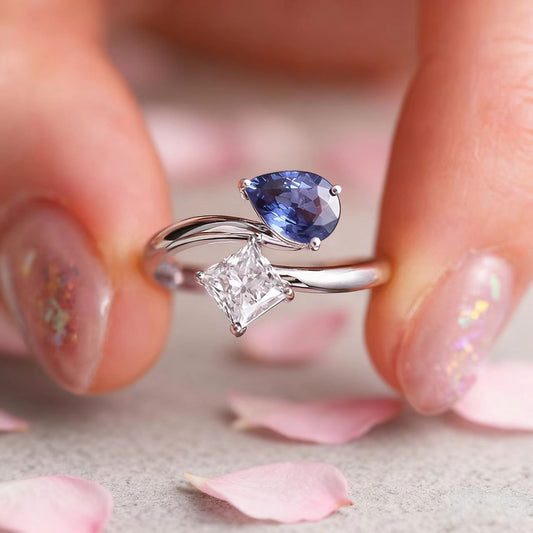
The term refers to a very specific blue: soft, evenly saturated, and slightly muted. It is neither dark navy nor pale sky blue. Think of the calm, velvety blue of a cornflower petal in daylight — that visual reference is intentional.
Importantly, “cornflower blue” is a trade term, not an official laboratory color grade. That distinction is critical for buyers who want to avoid confusion or overpaying.
Cornflower Blue Sapphire Color Profile: Hue, Tone & Saturation
Gemologists evaluate sapphire color using three technical components: Hue, Tone, and Saturation. True cornflower blue only exists when all three align.
Hue: Pure Blue with a Whisper of Violet
Cornflower blue sapphires sit firmly in the pure blue range, sometimes with a very subtle violet undertone. Greenish blues are excluded, and overly purple stones drift toward royal blue.
Tone: Medium-Light Is the Sweet Spot
Tone describes how light or dark the stone appears. Cornflower blue requires a medium to medium-light tone — bright enough to glow, dark enough to retain richness. This balance is extremely difficult to achieve naturally.

Saturation: Soft Intensity, Not Neon
Unlike vivid commercial blues, cornflower blue is prized for its even, velvety saturation. It should look alive, not electric.
Take the stone to a north-facing window (indirect daylight).
- Check the “Sleepiness”: Does the blue glow softly like velvet, or look sharp and glassy? You want the glow.
- Check Extinction: Tilt the stone. A good cornflower cut stays blue, not black.
- Check the Violet: A faint violet hint is good. Gray is not.
Where Cornflower Blue Sapphires Come From: Earth vs. Lab
Historically, the most famous cornflower blue sapphires came from Kashmir. These stones displayed unmatched softness due to fine rutile silk — but those mines have been dormant for decades.
Today, Sri Lanka produces natural cornflower blue sapphires, but most are heat-treated and extremely expensive in eye-clean sizes.
Lab-grown cornflower blue sapphires represent the modern origin. By precisely controlling iron and titanium during growth, laboratories can consistently produce the exact color balance that nature creates only by chance.
Price Reality Check: Natural vs Lab-Grown Cornflower Blue Sapphire
Here is the honest breakdown of what you get for your money in today's market:
| Feature | Natural (Kashmir / Ceylon) | Lab-Grown (BOCOS Precision) |
|---|---|---|
| Color Accuracy | Varies (often color-zoned) | Perfect Cornflower Blue |
| Clarity | Usually Included | Eye-Clean / VVS |
| Durability | Mohs 9 | Mohs 9 (Identical) |
| Origin | Mined | Lab-Grown (Ethical) |
| Price (2 Carat) | $15,000 – $50,000+ | $300 – $600 |
| Treatment | 99% Heated | As-Grown (No Heat) |
(Swipe left to view full table on mobile)
Frequently Asked Questions About Cornflower Blue Sapphires
Is cornflower blue lighter than royal blue?
Yes. Cornflower blue is a medium-light to medium tone with a velvety texture, while royal blue is darker, deeper, and more intense.
Are lab-created cornflower sapphires real?
Yes. They are chemically, physically, and visually identical to mined sapphires. The only difference is their origin.
What is the best metal for a cornflower blue sapphire ring?
White metals such as platinum or white gold are ideal, as they enhance the stone’s cool blue brilliance without adding yellow reflection.
Final Verdict: The Smart Way to Own a Cornflower Blue Sapphire in 2026
Cornflower blue sapphire is about balance — visual, practical, and financial.
For collectors, natural stones will always hold historical value. But for jewelry meant to be worn, enjoyed, and admired daily, lab-grown cornflower blue sapphires deliver the same beauty without unnecessary compromise.
That is why they have quietly become the smartest choice in modern sapphire jewelry.
Experience the legendary velvet blue at a rational price.