Blue Sapphire Engagement Rings: The Complete Buying Guide (2026 edition)
huangzupeng
For modern couples seeking beauty, meaning, and ethical value — by Bocos Jewelry
Introduction: Why Blue Sapphire Engagement Rings Are Redefining “Forever”
For decades, diamond engagement rings dominated the narrative of love and commitment. But today’s couples — especially in the U.S. market — are rewriting the rules. They want rings that feel personal, meaningful, ethically responsible, and visually distinctive. This shift is exactly why blue sapphire engagement rings have surged in popularity.
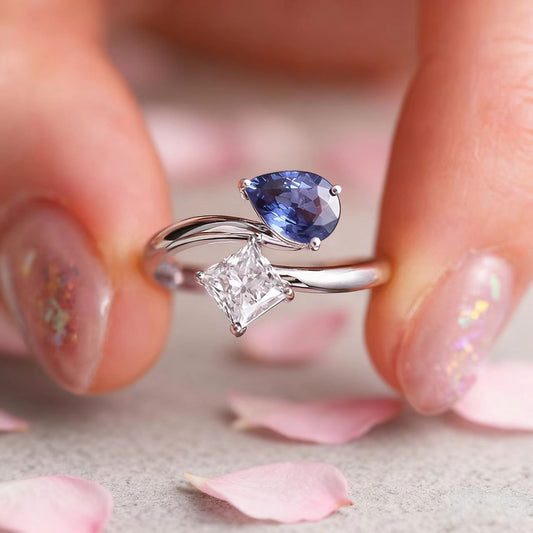
Blue sapphires offer a rare balance: timeless symbolism, exceptional durability, and striking color that stands apart from traditional diamonds. When paired with thoughtful design — whether in s925 rings, silver engagement rings, or gold band engagement rings — they create engagement rings that feel intentional rather than expected.
At Bocos Jewelry, we specialize in lab-created blue sapphire engagement rings designed for everyday wear, modern aesthetics, and ethical peace of mind. This in-depth guide will walk you through everything you need to know before choosing the right blue sapphire engagement ring — from gemstone science and real-world wearability to metal choices, budget strategy, and how to select a ring that truly fits your lifestyle.
What a Blue Sapphire Engagement Ring Symbolizes
A blue sapphire engagement ring represents far more than color preference. Historically and culturally, sapphires have symbolized:
- Loyalty and faithfulness — a promise of trust and long-term commitment
- Wisdom and clarity — choosing love with intention and thoughtfulness
- Calm strength — emotional stability and resilience in a partnership
In many cultures, blue is also considered a lucky color, associated with harmony and protection. This symbolism makes engagement rings with blue sapphires especially meaningful for couples who value depth over convention.
Unlike diamonds — often associated with status and tradition — blue sapphire engagement rings communicate individuality. They say: this ring was chosen with purpose.
Lab-Created vs Natural Blue Sapphire: What Actually Matters
One of the most important decisions you’ll make is choosing between a natural sapphire and a lab-created blue sapphire. While traditional jewelry marketing often favors “natural,” the reality is far more nuanced.
Lab-Created Blue Sapphires Explained
Lab-created sapphires are chemically, optically, and physically identical to natural sapphires. They are real corundum gemstones with the same Mohs hardness (9), brilliance, and durability — the only difference is origin, not quality.
At Bocos Jewelry, we deliberately choose lab-created blue sapphires because they offer clear advantages:
- Consistent color without undesirable gray or green undertones
- No mining impact, making them ideal for ethical engagement rings
- Exceptional clarity without compromising durability
- Significantly better value, allowing investment in design rather than rarity premiums
For most couples shopping for engagement rings with blue sapphires, lab-created stones provide a smarter, more transparent choice — especially when balancing beauty, budget, and ethics.
Understanding Sapphire Quality: The 4Cs (Reframed for Real Buyers)
While the 4Cs (Color, Cut, Clarity, Carat) are often borrowed from diamond grading, sapphires follow their own logic. Here’s how to interpret them practically.
1. Color: The True Value Driver
Color is the single most important factor in a blue sapphire engagement ring.
- Hue: The primary color (true blue is most sought-after)
- Tone: Light to dark — medium to medium-dark is ideal
- Saturation: Vivid, even color without gray or brown masking
A common buyer mistake is choosing a sapphire that looks impressive under showroom lights but appears dark or dull indoors. Lab-created blue sapphires avoid this issue by offering controlled saturation that performs well in everyday lighting.
2. Cut: Designed to Showcase Color
Unlike diamonds, sapphires are cut to maximize color, not sparkle alone. Poor cuts can cause windowing, uneven color distribution, and a lifeless appearance.
Shapes like oval, cushion, radiant, and emerald cuts are particularly effective for blue sapphires. Many of Bocos Jewelry’s engagement rings with blue sapphires are designed around these cuts for optimal visual depth.

3. Clarity: Eye-Clean Is the Goal
Natural sapphires often contain inclusions. While acceptable, they can interfere with brilliance. Lab-created sapphires are typically eye-clean, ensuring clarity without compromising strength.
4. Carat Weight: Size vs Presence
Sapphires are denser than diamonds. A one-carat sapphire will appear slightly smaller than a one-carat diamond — but superior color and cut often create greater visual impact than size alone.
Hardness, Durability, and Daily Wear
With a Mohs hardness of 9, sapphires are second only to diamonds. This makes them ideal for daily-wear engagement rings.
However, durability is influenced by stone shape, setting style, and metal choice. Well-designed silver engagement rings or gold band engagement rings with secure prong or bezel settings ensure longevity without sacrificing style.
Choosing the Right Metal: Silver vs Gold
s925 Rings & Silver Engagement Rings
Sterling silver (s925) is a popular choice for modern engagement rings because it offers bright contrast with blue sapphires, lightweight comfort, and exceptional value.
At Bocos Jewelry, our s925 rings are crafted with durability-focused designs and premium finishes, making them a strong option for couples seeking beauty without excess.

Gold Band Engagement Rings
Gold bands — including yellow, white, and rose tones — bring warmth and tradition. Yellow gold enhances contrast, white gold offers a sleek modern look, and rose gold adds romantic softness.

Ethical Engagement Rings: Why Origin Matters
Modern buyers increasingly prioritize ethics. Lab-created blue sapphires eliminate concerns around environmental damage, unclear labor practices, and conflict sourcing.
Choosing an ethical engagement ring is not a compromise — it’s a statement.
Popular Styles of Engagement Rings with Blue Sapphires
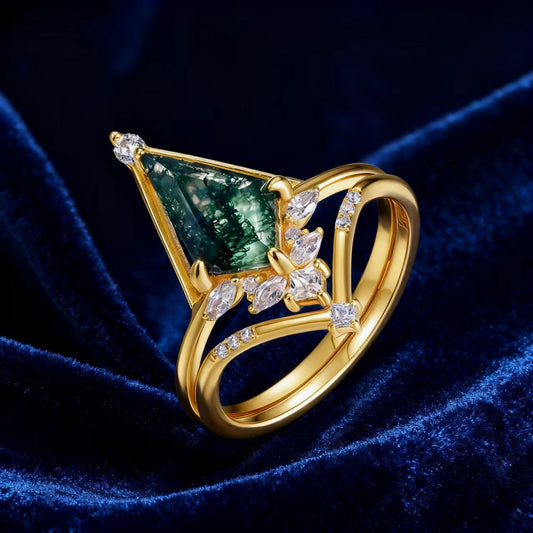
- Solitaire blue sapphire engagement rings
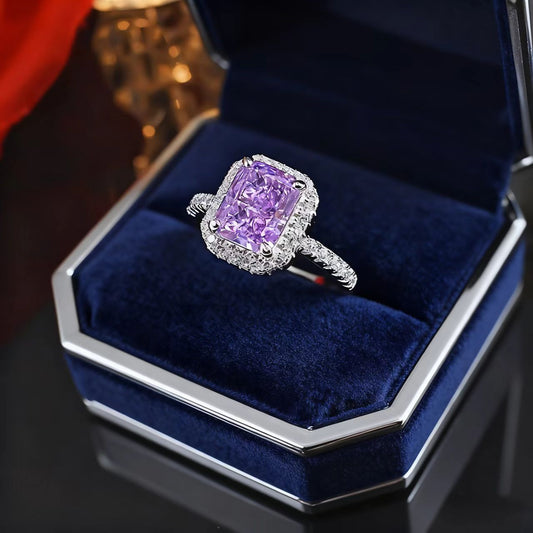
- Halo designs for added brilliance
- Bezel rings
- Vintage-inspired settings for timeless romance
Each style can be found within Bocos Jewelry’s curated collections, designed specifically for modern wearers.
Budget Strategy: Spending with Intention
One of the biggest advantages of lab-created blue sapphire engagement rings is budget efficiency. Instead of paying premiums for rarity, you invest in superior design, better metal quality, and long-term wearability.
Care and Maintenance
- Clean with warm water and mild soap
- Avoid harsh chemicals
- Store separately to prevent scratching
Why Choose Bocos Jewelry
At Bocos Jewelry, we focus on what truly matters: thoughtfully designed engagement rings with blue sapphires, high-quality lab-created gemstones, s925 and gold band options crafted for daily wear, and ethical sourcing with transparent pricing.
Final Thoughts: Choosing a Ring That Reflects You
A blue sapphire engagement ring is not about following tradition. It’s about choosing a symbol that reflects your values, your style, and your future.
Whether you’re drawn to silver engagement rings, gold band engagement rings, or minimalist s925 rings, a lab-created blue sapphire offers beauty, durability, and ethical confidence.
Explore Bocos Jewelry’s blue sapphire engagement ring collections and discover a ring designed not just to sparkle — but to last.